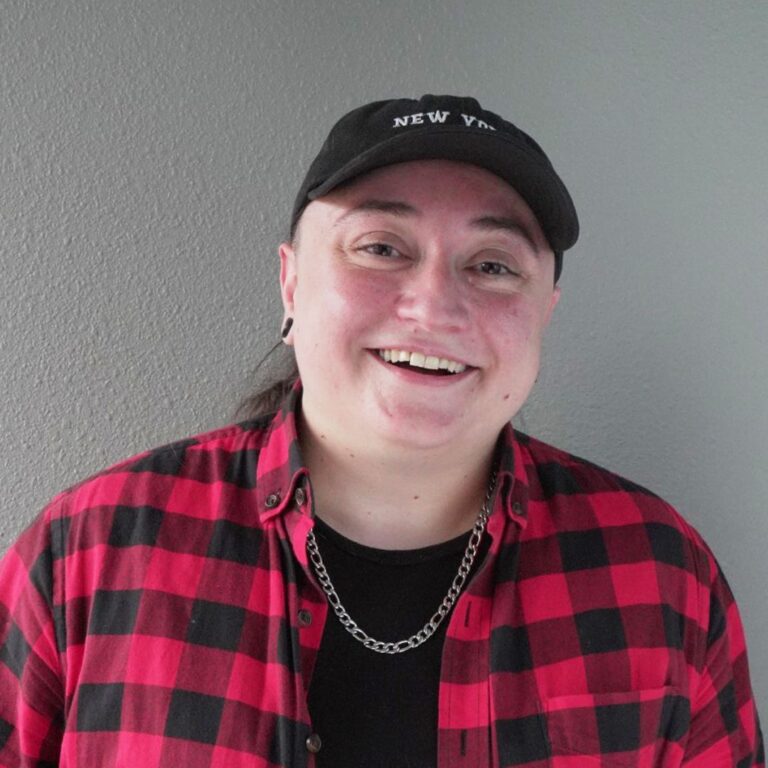
Anant Kapur — 30 Under 40 2026

Anant Kapur is trying to change something the pool and spa industry has relied on for generations: how it treats water.
As founder and director of NICO Nanobubble India, Kapur works across water treatment, environmental engineering, aquaculture and health and wellness applications, developing uses for nanobubble technology. Within pools and spas, his focus has been using the technology to reduce chemical dependency while improving water quality and user experience.
“The most rewarding aspect is seeing deep-tech innovation translate into real, tangible impact, transforming water into something cleaner, safer and fundamentally better to experience,” Kapur says.
— ANANT KAPUR
His work extends well beyond recreational water. Kapur has developed IOTA WATER, an oxygen nanobubble drinking water brand, and introduced an oxygen nanobubble-based hair wash application for salons in India. NICO’s technology has also been deployed in wastewater treatment and aquaculture.
But bringing unfamiliar technology into established industries hasn’t been easy.
Kapur says potential users initially questioned nanobubbles’ scalability, reliability and return on investment. His response was to focus on field results rather than theory. NICO implemented pilot projects across several sectors, collecting data on factors such as water quality, oxygen transfer efficiency and chemical reduction.
“Over time, this approach helped us shift the conversation from ‘new and unproven’ to ‘tested and impactful,’ ” Kapur says.
Among his proudest accomplishments is establishing several first-of-their-kind nanobubble applications in India, including chlorine-free pool systems.
His ambitions now extend beyond the country. Kapur wants to scale NICO’s solutions internationally and see nanobubble technology become more widely used.
“If I could change one thing, it would be the industry’s deep reliance on heavy chemical treatments as the primary method for maintaining water quality,” he says.
Ultimately, Kapur sees the technology not simply as a new piece of equipment, but as part of a larger movement toward water systems that are more efficient and less chemical-dependent.
Locations refer to company headquarters; honorees may work remotely or live elsewhere.