Crazy for QR
The sky is the limit for how QR codes can help your business
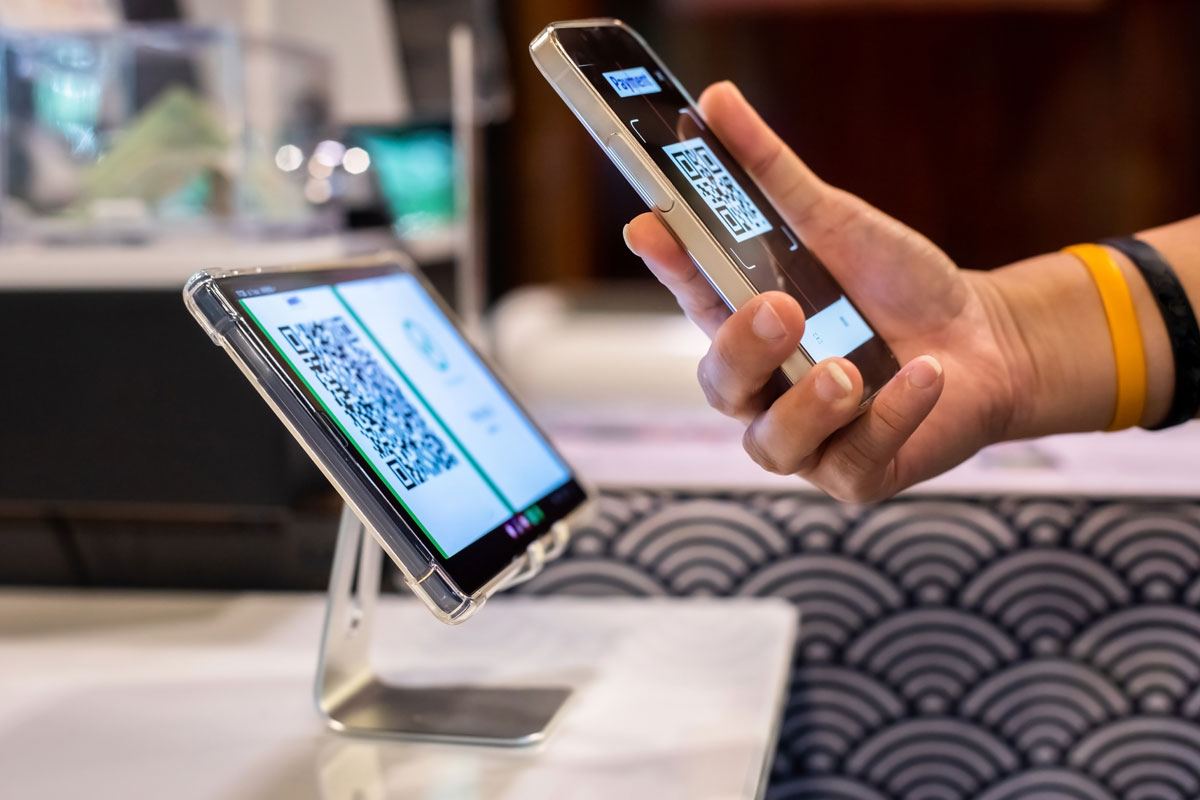
For most, QR codes have become an unavoidable part of modern life, whether in restaurants, outdoor advertising, event ticketing or many other spaces.
While the technology may seem trendy, the QR code has been around since 1994, when it was invented by Denso Wave, a Japanese automotive company looking for an improvement on traditional UPC barcodes. By the early 2010s, smartphones were designing devices that could scan these codes. It took the pandemic, however, for QR codes to catch fire.
Today, tech-savvy businesses of all kinds use QR codes, and the hot tub industry is no exception.
While useful, implementing QR technology is not without its challenges.
Ian Schatte, an aquatics sales and marketing professional, discovered this the hard way when he placed QR codes on service reports emailed to homeowners. The codes offered customers special promotions on the company website. Unfortunately, Schatte overlooked one important factor: “If you’re already looking at an email on your phone, it is hard to take a picture of the QR code using your phone,” Schatte says.
It’s not an uncommon mistake, according to Rebecca Kowalewicz, vice president of Northeastern-based marketing firm Clearbridge Branding Agency, where she specializes in digital marketing techniques. For Kowalewicz, teaching business owners to properly use QR codes is half the battle.
“The important thing, especially for small businesses to realize, is that QR codes need to go on books, stickers, the back of cards, displays, receipts and business cards,” Kowalewicz says. “Do not put a QR code in your email signature, and don’t put it on your website.”
QR codes are like the real-world equivalent of a link, so if the customer is already online, a link will suffice.
Fortunately, Kowalewicz says, once a business owner understands that part, the technology becomes easy to use and best of all — free. There are many websites and applications that generate QR codes without a charge. If you’re looking for customized colors or to track the number of scans a code receives, you may pay extra, but it’s possible to get around that too.
Once you understand how to make a QR code, the real challenge becomes deciding how to use it.
Some uses are obvious, such as directing customers to a website, while others require some creative thinking. For example, a hot tub retailer can embed a QR code that links to a video tutorial on water maintenance, making it easy for customers to keep their hot tubs in top condition.
QR codes also give customers an easier way to subscribe to a mailing list, submit their phone number or even send an email.
“There’s a lot of talk in the marketing industry about how Google and other companies are getting rid of third-party data,” Kowalewicz says. “That’s a struggle for every business.”
With this shift to protect privacy, “first-party data” has become particularly valuable, including email addresses and phone numbers provided by a customer to a business. By allowing customers a faster and more convenient way to send this information, QR codes have become a powerful source for first-party data. Businesses can use that information to contact customers with additional promotions or to collect feedback about their experience.
Because QR codes work like an online link, set the codes to link to an address that can later be redirected. A business might use the code to send a customer to an informative video one week and a special online sale the next.
“I hate to be cliché, but the possibilities are limitless,” Kowalewicz says. “It allows you to offer so much more, right down to product packaging. It expands your bandwidth as a brand.”