Don’t Fear the Freeze
Changing spa water in winter
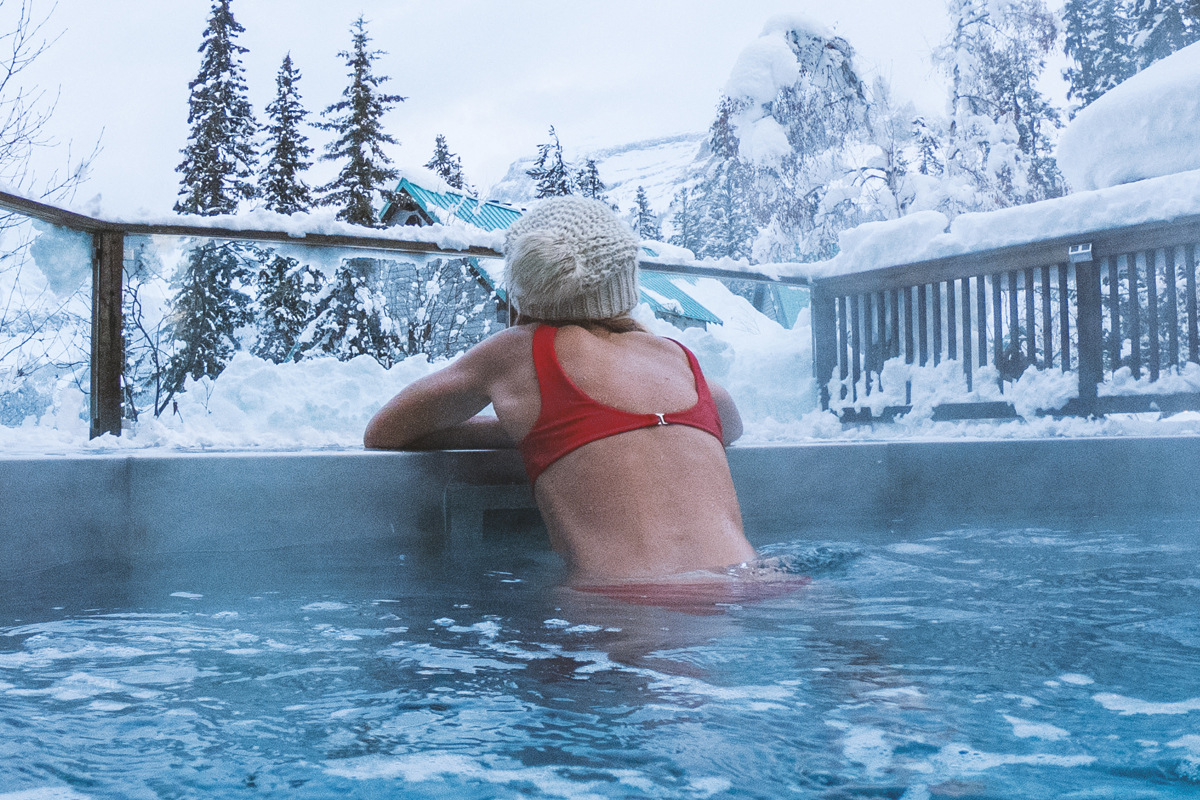
Spa water needs to be changed occasionally. In some cases, it’s because total dissolved solids or cyanuric acid levels have gotten too high. In others, it’s because the water has been overused or neglected. No matter the reason, changing the water is simply part of owning a spa, but in winter or colder climates, the idea can make some spa owners nervous. Many people object to changing water in freezing temperatures, worrying their spa might freeze and be damaged.
At Spa Marvel, we performed a test to ease these concerns.
Water in a Sundance Chelsee spa was heated to 104 degrees while the ambient temperature was 11 degrees, with a wind chill of 8 degrees. Using probes, we monitored the temperature of the air in the cabinet and the plumbing, which were:
- Inside the cabinet: 61 degrees
- Inside the plumbing: 102 degrees
The spa was drained using a pump, and the lid was kept closed as much as possible during the 45 minutes it took to drain. Once the spa was drained, the temperatures were:
- Inside the cabinet: 61 degrees
- Inside the plumbing: 90 degrees
The temperature of the air in the cabinet remained consistent while the spa was drained, and we had no concerns about freezing.
The spa was then filled with 46-degree water. It took 75 minutes to fill the spa, and before we turned the spa back on after filling, the temperatures measured:
- Inside the cabinet: 37 degrees
- Inside the plumbing: 46 degrees
Water freezes at 32 degrees. Based on other cold weather testing, it would take an additional 10 hours with the spa idle before the water would reach the freezing point. Once the power is back on, the waste heat from the pump motor immediately begins to warm the inside of the cabinet, and the heater brings the spa water to the desired temperature.
Even after sharing this data with clients, some are still terrified they will cause freeze damage and ruin their spa. For those clients, we recommend doing a water change through dilution — two partial drain and refills.
If a client has a 400-gallon spa that needs to be changed, but they do not want to do a complete drain, we recommend they:
- Drain three-fourths of the water (in this example, 300 gallons)
- Refill the spa.
- Drain three-fourths of the water again.
- Refill the spa again.
This method will remove 94% of the original water and is as close as you’ll get to a full water change without completely emptying the spa.
One of the other objections to changing water in the winter, particularly in the North, is that homeowners have their hose spigots turned off and, in some cases, winterized. However, it is difficult for flowing water to freeze solid. With this in mind, turning your hose spigot on in the winter to fill your spa won’t be an issue, if you remember to turn it off and winterize afterward.
If a customer still has concerns, ask if they have a laundry tub where the spigot can accept a garden hose. And failing that, they can use the cold-water supply to their washing machine, which accepts standard North American hose threads.
Changing spa water is a routine part of ownership — and sometimes it must happen unexpectedly. Even in cold climates, there are safe ways to do it, and with the right precautions, owners don’t need to worry about freeze damage.
Guide to Changing Spa Water in Winter
Changing your spa water is part of regular maintenance — sometimes it’s needed because the water is overused, neglected, or has high levels of dissolved solids. Even in freezing weather, you can safely change your water without damaging your spa.
Full Water Change in Cold Weather
Steps:
- Heat spa to normal temperature before draining.
- Keep the cover closed as much as possible while draining.
- Refill promptly after draining.
- Turn spa back on to reheat — pump motor heat will help protect plumbing.
Partial Change (Dilution Method)
For owners who prefer not to fully drain in winter:
- Drain ¾ of the water.
- Refill spa.
- Drain ¾ again.
- Refill spa again.
This removes ~94% of the original water — almost a full change.
Winter Water Supply Tips
- Most hose spigots can be used briefly in winter if you turn them off and re-winterize afterward.
- If outside spigots are shut off:
- Use a laundry tub with a hose adapter.
- Or connect your garden hose to the cold-water supply for your washing machine (standard hose threads).
Bottom line: With the right steps, you can change your spa water safely in any season — no freeze damage, no stress.