A Solid Sale
Spa pads offer a faster, cheaper alternative to concrete foundations
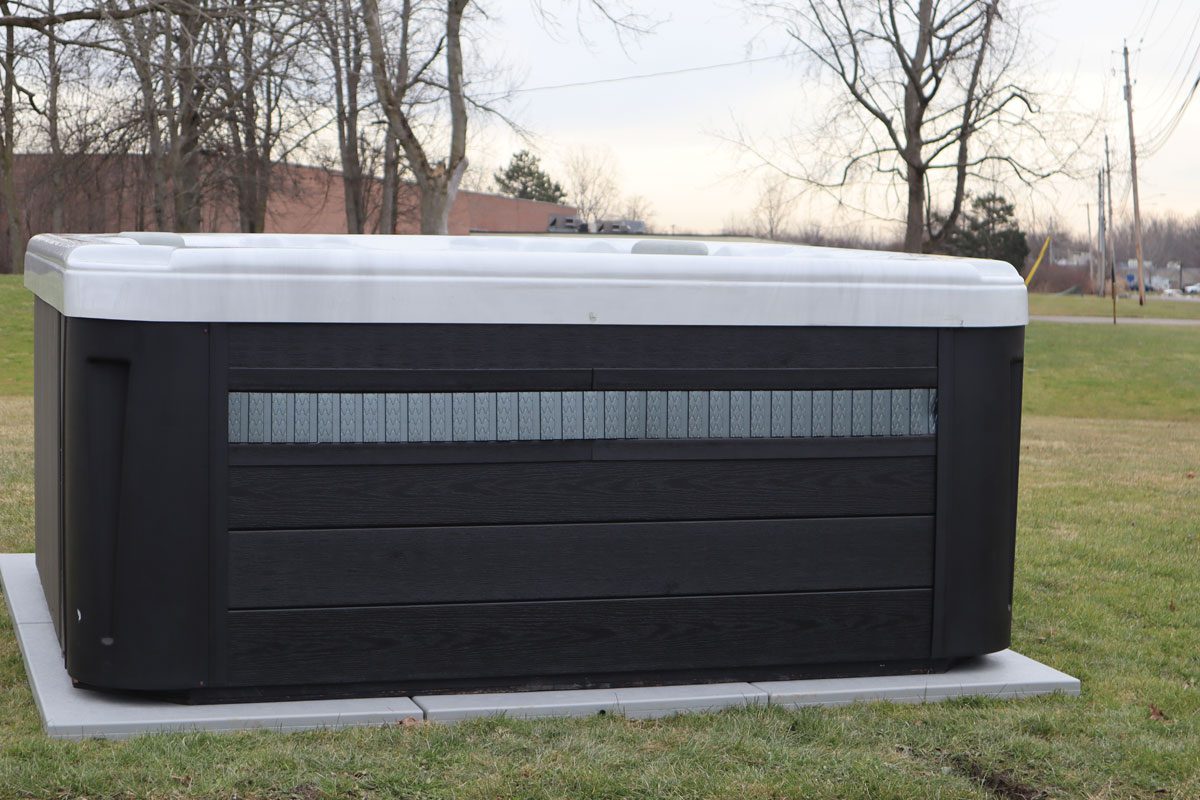
Concrete slabs and wood decks have long been popular choices for spa foundations — but prefabricated spa pads, which have been around for decades, are gaining traction as a convenient, cost-effective alternative. Spa retailers say these durable, easy-to-install bases are helping them close deals faster and simplify the delivery process. Like concrete, spa pads provide a flat, stable surface that meets manufacturer warranty requirements — but with a lower price point and less labor.
Ken Noble, president, CEO and inventor of EZ Pad — the company behind the original prefabricated spa pad introduced in 1999 — puts it simply: “It stands to reason that the easier you make it to install a hot tub, the more hot tubs you will sell.”
Quick and easy installation
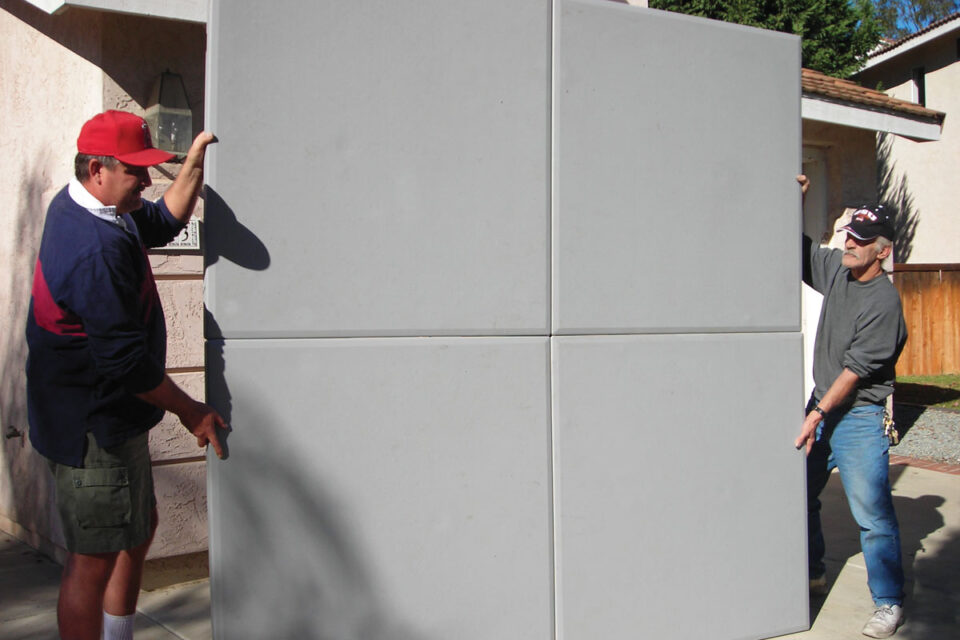
Some place spas on pavers or gravel, but both can shift over time if not properly installed, leading to instability and potential damage. Concrete pads are another option, but installation can be cumbersome, time-consuming and expensive — possibly even preventing a customer from purchasing a spa, Noble says. A spa pad, sold in square or rectangular pieces that are held together with connectors screwed into the plastic, could seal the deal for a buyer who is on the fence.
“This is really where the spa pads shine,” says Jack Gawrys, sales manager for Confer Plastics, which manufactures the Handi-Pad. “With the spa pad, all these potential delays or additional costs are gone. A retailer can close the deal faster, and the customer can have water in their backyard sooner and more [affordably]. Everyone wins.”
Installation is so simple that many spa buyers do it themselves. Dave White, account executive for EZ Pad, notes that EZ Pads can be installed directly onto grass, dirt or any soil amendment as long as it is a flat, level surface. If the area is not level, Gawrys says customers can remove sod and level the ground with sand, pea gravel or crushed stone.
Built to handle the load
While customers may have durability concerns, most spa pads are engineered to support even the heaviest spas. Confer Plastics’ pads can hold up to 300 pounds per square foot, while EZ Pads are tested to withstand 5,000 pounds per square foot. A load-bearing capacity of just 150 pounds per square foot is typically sufficient, thanks to how a spa’s weight is distributed, Noble says.
EZ Pads can fit larger footprints, and White adds that a standard 30,000-pound, 8-foot-by-20-foot swim spa only exerts about 190 pounds per square foot, well within EZ Pad’s maximum load capacity.
Durability that lasts decades
Unlike concrete, which can crack and offers no protection after installation, most spa pads come with manufacturer warranties ranging from one year to a lifetime. Noble highlights that EZ Pads are made from high-density polyethylene, which is designed to last up to 50 years and resists mold, pests and physical damage. “We’ve got people who’ve had EZ Pads under their spas for 20 years with no complaints,” he says.
Confer Plastics uses blow-molded plastic with internal ribbing, which adds flexibility and shock absorption. “It flexes slightly under load instead of breaking, making it ideal for supporting heavy spas year after year,” Gawrys says.
A portable solution
Spa pads are also ideal for renters and mobile units. Often, renters have to follow regulations that prohibit pouring concrete on the property. However, spa pads are not permanent and typically do not require a permit.
“The pad and the hot tub will leave when the renter is gone,” Noble says. “With more people renting today and purchasing homes being difficult, that’s a market that really is untapped.”
An underused sales tool
Even with the advantages, Gawrys says spa pads haven’t yet reached their full potential in the marketplace.
“In a time when people need satisfaction immediately, this is a perfect product to close the sale on a larger ticket item faster,” Gawrys says.
Confer Plastics works directly with spa dealers, providing information and training at trade shows and through a network of manufacturer representatives and distribution partners. With spa pads growing in popularity, the company plans to roll out a smaller version for pool equipment, Gawrys says.
Alternatively, customers can purchase EZ Pads directly from the company’s website. During the 2008 recession, Noble found many spa dealers could no longer order the volume needed to make a profit, so he marketed EZ Pads directly to customers.
“We haven’t looked back,” he says. “But we still have some savvy dealers who understand the process of using the EZ Pad to sell the hot tub or swim spa, and those guys are doing very, very well.”
To guide customers and professionals in installation, EZ Pad offers tutorial pictures and videos on its website, as well as a phone number people can call with questions about purchasing or installing the pad.
“People like hands-on [support] because it gives them peace of mind,” Noble says. “They want to save money and not be stressed at a time when they’re buying a product that’s supposed to reduce your stress. Peace of mind is what they’re actually after the whole time.”