
Too Hot to Handle
Heat-induced spa issues and how to prevent them
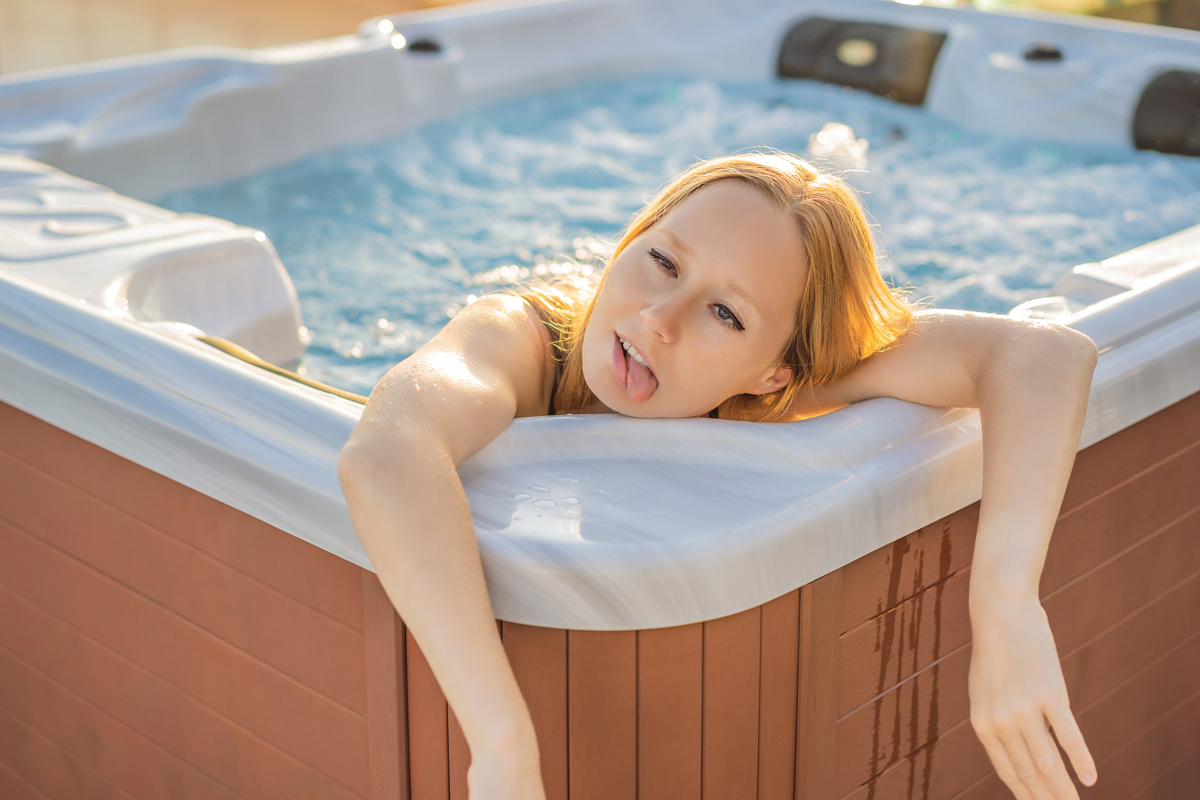
Hot tub users are sometimes surprised to find their spa water significantly hotter than what they set on the thermostat. When a spa programmed to stay at 100 F reaches 104 F or higher, it can be alarming, but it’s often caused by mechanical heat and high ambient temperatures.
Spa pumps are powered by electric motors, which generate heat as they work. That heat doesn’t just dissipate into the air — much of it is transferred to the water in the spa, which increases efficiency because the heating element doesn’t need to activate as often. It’s so efficient that some spas, like the Softub, rely solely on the waste heat of the motor to warm the water and don’t even have a heating element.
However, in hot weather — especially during a heat wave — this process can lead to unintended overheating. When outdoor temperatures are high, the spa doesn’t get the chance to cool down. The motors continue to run, whether for heating or filtration, and waste heat keeps raising the water temperature.
In theory, this heat transfer could continue until the spa water reaches the temperature of the pump motor — which could boil the water. Thankfully, modern spas are equipped with safety features, often called Summer Logic Mode or similar, which shut off the pump motors if the water temperature exceeds a threshold. These safeguards prevent equipment damage and protect users from dangerously hot water.
The pump motors will turn off until the spa cools down, which may take several days in hot weather. During this time, the water can become cloudy due to the lack of filtration, which is a secondary problem to the high water temperature.
Users typically experience this phenomenon during a heat wave and will usually call seeking help for cloudy spa water. After checking typical culprits like dirty filters or high bather load, it’s worth asking: Has it been unusually hot lately? And is the water temperature higher than the thermostat setting? More often than not, the answer is yes — the pump motor raised the water temperature, the spa couldn’t cool down, the system shut off and the water went cloudy.
A few steps can help prevent overheating and its side effects during hot weather.
- Check ventilation settings: Some spas have cabinet vents that stay closed in winter to retain heat but should be opened in summer to release it. Proper ventilation helps the spa shed excess motor heat more effectively.
- Adjust filtration times: Reducing filtration cycles during heat waves can lower the overheating risk.
- Spas with circ/hush pumps: Limit filtration to 12–18 hours per day instead of 24/7.
- Spas without circ/hush pumps: Limit filtration to a maximum of six hours per day.
- Vent the spa cover: Prop the spa lid open slightly with a soft object like a tennis ball, rolled towel or pool noodle. This allows heat to escape without fully compromising filtration. It’s also a quick way to help an overheated spa cool down faster.
If you’re helping clients troubleshoot cloudy spa water during a heat wave, consider temperature as a potential culprit. In many cases, it’s not dirty water — it’s water that simply got too hot. By understanding how spa systems interact with warm weather, professionals can offer better solutions and keep spas running clean and safe all summer long.