Freshen Up
Why regular updates matter in retail
In an era where shoppers are more likely to order online than walk into a store, creating a captivating showroom is essential. For retailers, this means the store must offer something the internet cannot. “It’s so important your showroom has a reason for them to come in,” says Jeff Bassemier, president of Bassemier’s Fireplace, Patio & Spas. “It has to be remarkable; it has to be something people talk about.”
Consumers often look for fast, convenient and exciting shopping, so quick store refreshes can be a game changer.
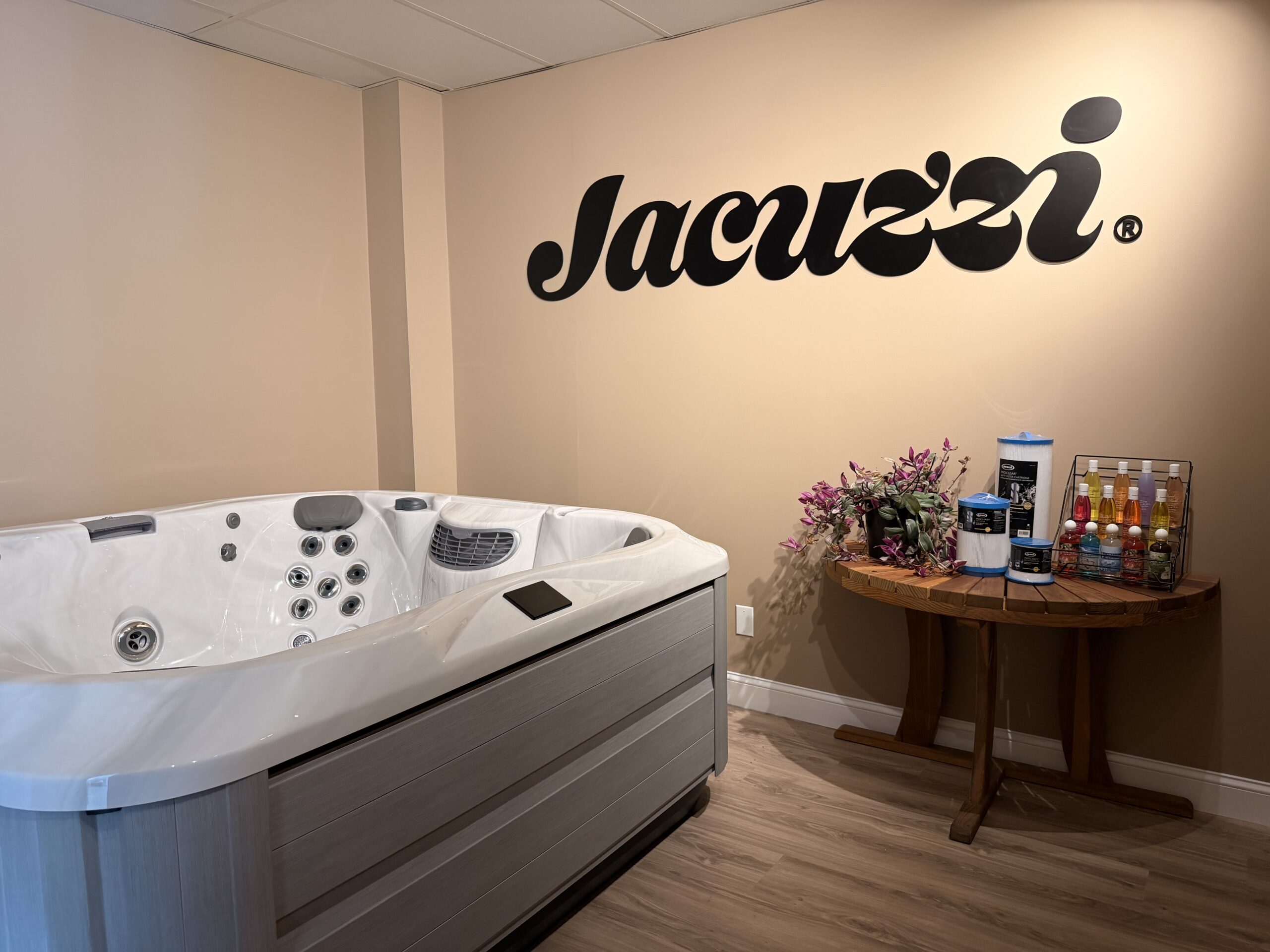
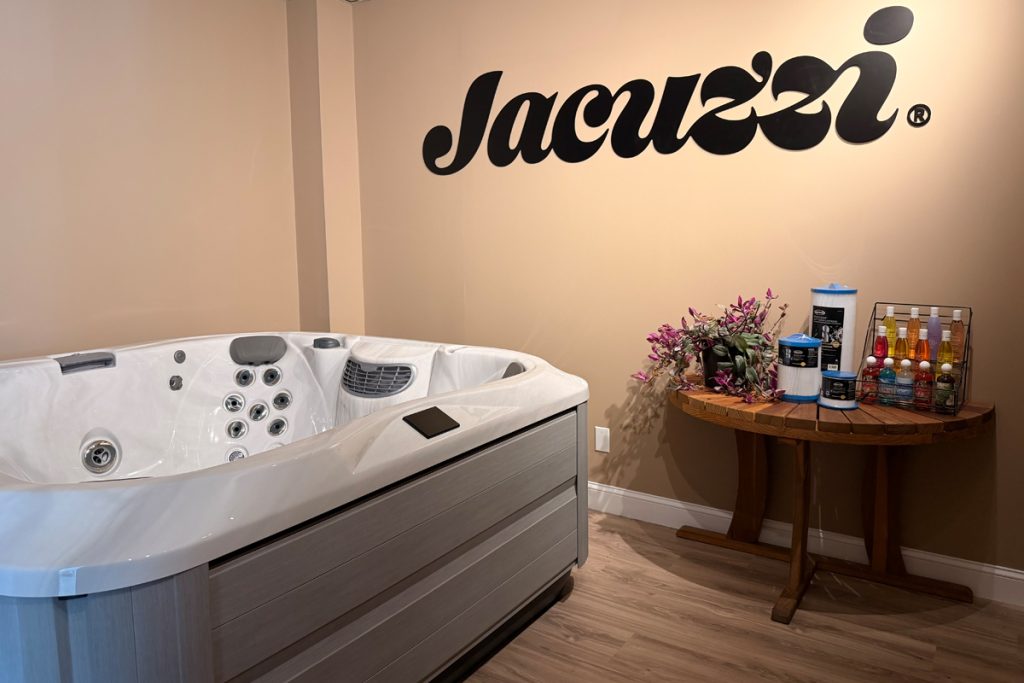
At Dartmouth Pools & Spas in New Bedford, Massachusetts, that philosophy is playing out in real time. General manager Kait Correia and her team are doing a full showroom refresh tied to becoming a Jacuzzi dealer, using the transition to rethink everything from layout to ambiance.
One of the biggest changes is a reimagined soak room, shifting from a playful, themed design toward a more modern, spalike environment with neutral walls and ambient lighting — an intentional move to help customers feel relaxed, immersed and focused on the wellness experience.
While large-scale updates like these can be transformative, retailers don’t need a full renovation to keep their showroom feeling current. Consistent and small yet strategic — and low-cost — refreshes can dramatically improve how customers move through the space, engage with products and perceive the brand.
The case for regular refreshes
Both Bassemier and Correia believe ongoing refreshes are a necessity. Doing so creates a sense of newness and excitement — especially for regular customers — and indicates a retailer is paying attention to the customer experience.
“[Refreshes] should be done daily,” Bassemier says, calling it “housekeeping” and a way to keep retail spaces clean and inviting. Complacency, he says, is a sure-fire way to miss items that eventually need attention, like burned-out lightbulbs or dusty door jambs.
“I park in customer parking and walk in the customer entrance,” he says, so he can note what needs a reset.
Bassemier says even small adjustments like moving a display case so regular chemical customers take a new route may help them find another item they didn’t know they needed.
Correia’s team uses a similar technique.
“When there is a direct path, customers will always take it, and they typically won’t look around at what’s new or what’s changed,” she says. “We have a corner with saunas, and before we redirected people, customers didn’t see them unless we brought them over. It helps to create genuine interest when they see things they want to know more about.”
High-impact, low-cost layout changes
With the never-ending business to-do list, the idea of moving product or displays daily may feel like an unnecessary added task. But planning for obvious refresh timelines like the holidays makes it easier to ensure employees are available to help.
“Store displays need to be updated with the seasons,” Correia says. “I don’t want to walk into a pool and spa retail store in the middle of winter and the main thing I’m seeing is pool floats — pools are closed. I want to see spa accessories, spa water fragrances and products I can enjoy now, not in five months.”
Updating items — even if it’s a small product display — signals a retailer is keeping up with trends and customer needs. For Correia’s team, moving items at least once a month is a must, especially when she has chemical customers coming in weekly to test pool water.
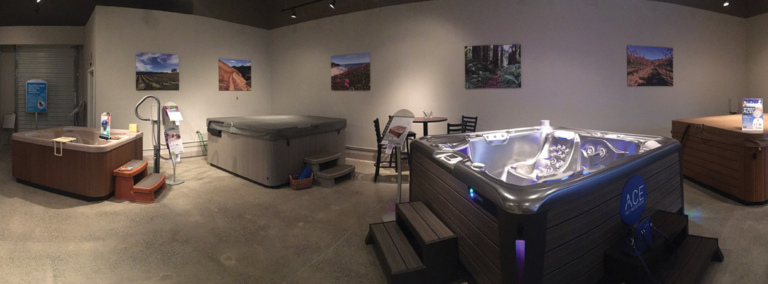
Reorienting spas to create new pathways is a high-impact way to catch a customer’s eye, too. With two 10,000-square-foot showrooms, Bassemier says his team often drains tubs to rearrange them. His business model almost strictly sells spas right off the floor.
“We keep moving the floor models,” he says. “That does a couple of things — the merchandise always looks new because it is new. It allows models and colors to change up.”
For a simple shift, Correia updates checkout displays. She even had her construction manager custom-build a display for checkout items.
“It’s not the things customers need like alkalinity or shock, but it’s the fun impulse purchases like a duckie floating thermometer or a towel bar that attaches to the side of their spa — the same concept as the candy when you’re cashing out at the grocery store,” she explains.
Priority zones to refresh
When refreshing a showroom, retailers should prioritize areas that directly shape first impressions and purchasing behavior.
Entryways that reflect seasonality or a featured focus give customers a clear visual cue about sales and trends. Checkout is prime real estate for frequently changing impulse items that add incremental sales without requiring extra floor space. Feature displays are ideal for promotions or repositioning inventory that needs renewed attention through better staging.
“The worst thing you can do is leave duds on the floor,” Bassemier says. Getting feedback from customers and sales employees can help discern what products need to go at a steeply discounted price. In some cases, that might mean upgrading an entire room.
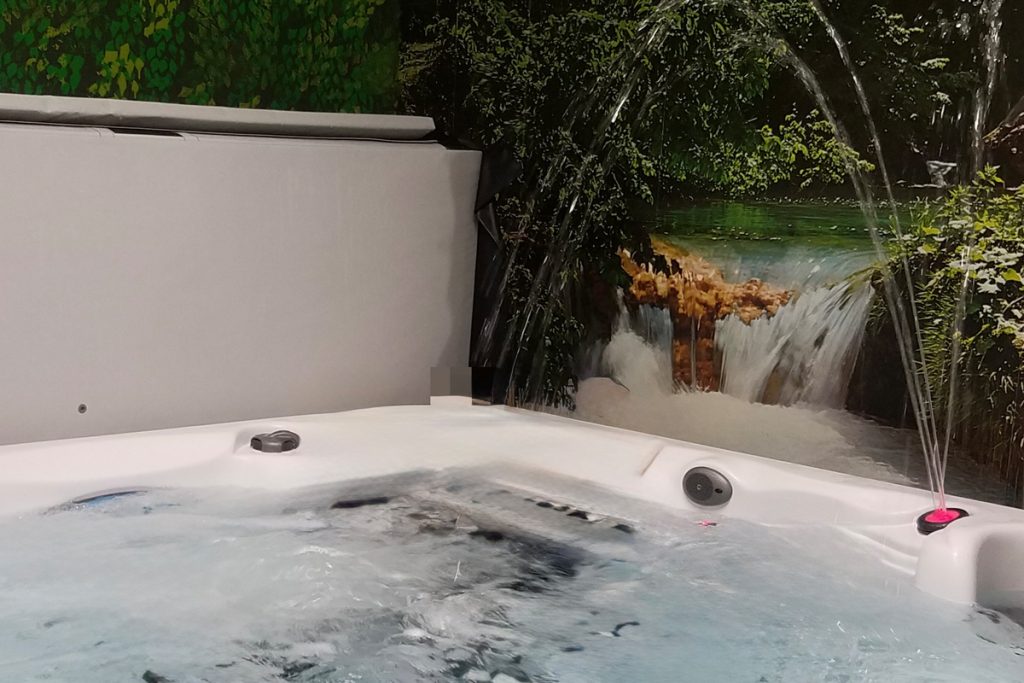
For Correia’s showroom renovation, that meant saying goodbye to a jungle-themed soaking room. Even with its hand-painted mural and specialized wallpaper, her team agreed it was time for a more spalike update.
Checklist culture: The key to staying consistent
Consistency is what turns occasional refreshes into a lasting competitive advantage, and that starts with a simple list.
“Have a checklist,” Bassemier says. “Otherwise, those things will get forgotten, and you’ll be fumbling in front of a customer.”
Because he sells outdoor accessories, part of that checklist includes tedious tasks like ensuring products turn on when prompted.
He recommends retailers regularly confirm all lighting is working, signage is current and legible and demo units work before customers interact with them. Seasonal alignment, clear aisle flow and properly staged feature displays should also be part of the routine review.
A quick weekly walkthrough using the same checklist can prevent avoidable distractions and keep the showroom customer-ready, he says.
Ongoing refreshes mean ongoing profits
A consistently updated showroom does more than look better; it keeps customers engaged, reinforces credibility and gives people something worth talking about after they leave.
Frequent, intentional refreshes create momentum, turning everyday visits into experiences that feel current and thoughtfully designed.
Bassemier often compares outdated showrooms to neglected vehicles, noting, “It’s kind of like if you’re driving an older vehicle and things start breaking and you ignore it and then some other things start breaking, it goes from being an older vehicle to a beater.”
Rather than waiting for a major renovation, retailers who adopt quick, repeatable refresh rhythms keep their showroom relevant, immersive and positioned as a place customers remember and return to — again and again.
A Priority Refresh Checklist
When time is limited, focus on the areas and actions that deliver the most visual impact for a quick refresh:
Entryway: This is your first impression. Use seasonal storytelling or a featured product to immediately signal relevance.
Checkout: Rotate small, fun impulse items like spa accessories or novelty add-ons to capture last-minute sales.
Feature display: Spotlight promotions or give slow-moving inventory new life through fresh staging.
Soak or wet-test area: Enhance ambiance with lighting, neutral walls and a calm, spalike feel to encourage customers to linger.
If you have one hour:
- Move accessories, towel holders and risers
- Add a fresh focal item at checkout
- Flip one retail shelf to change routine foot traffic patterns
If you have one day:
- Rearrange the entire hot tub lineup
- Restage the entry and checkout zones
- Change customer pathways to encourage exploration
If you have one week:
- Repaint walls, update lighting and remove dated décor
- Modernize a specialty zone like the soak room
- Reset signage and displays storewide