Merchandise Like a Lifestyle Store, Not a Parts Counter
Fresh accessory displays give customers new reasons to buy — and to come back
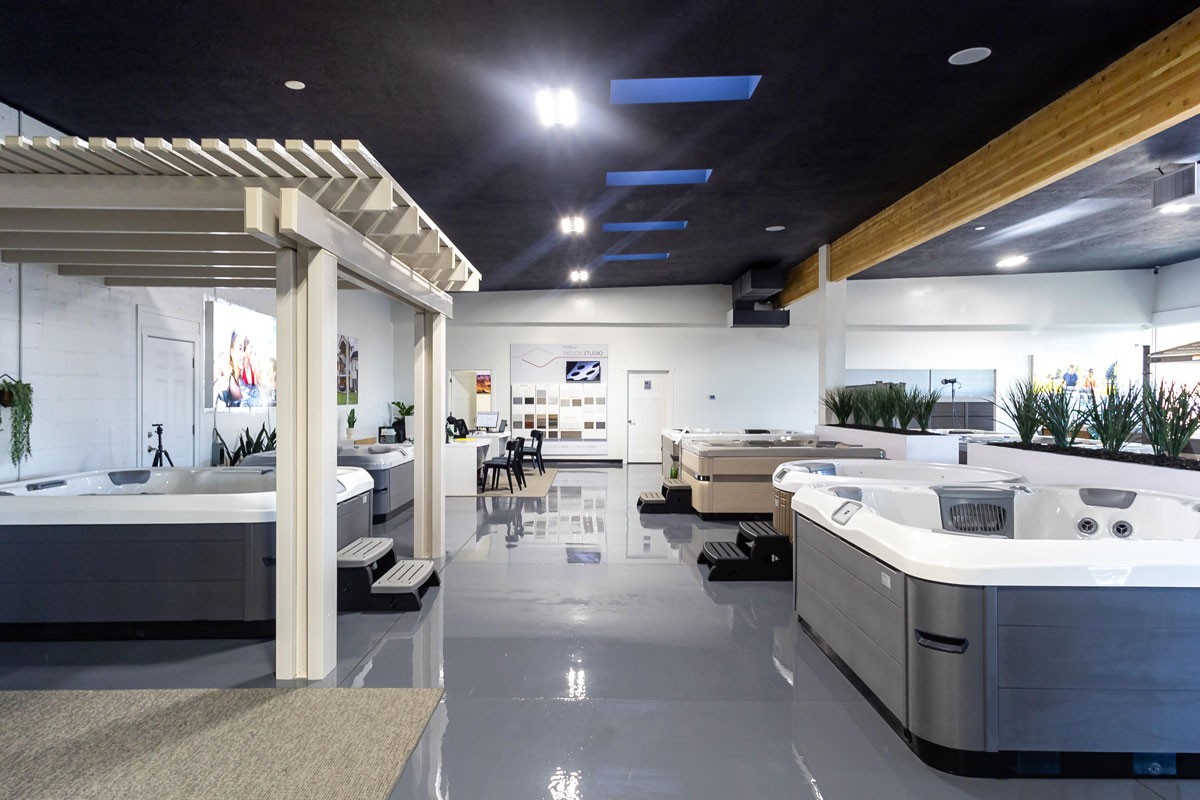
Accessory displays can do more than fill showroom space. When retailers rotate displays throughout the year and merchandise accessories around how customers actually use their spas, they can increase attachment sales while giving repeat shoppers something new to see.
Rather than relying on bigger advertising budgets or deep discounts, smart companies are refining how they merchandise their showrooms to generate more revenue.
“The single most effective approach to merchandising is to stop displaying the spa as a product and start displaying it as a finished outdoor room,” says Troy Labelle, founder and managing director of Canadian Spa Company UK, a hot tub manufacturer that also sells direct to consumers.
The approach isn’t new, but it fits today’s focus on outdoor living. Dressing a spa space, however, is more than a one-and-done effort: Accessories need to be rotated to keep them fresh and eye-catching, requiring retailers to start thinking like a lifestyle store instead of a parts department.
That starts with seasonal merchandising, Labelle says.
Change the story, not just the display
Seasonal marketing goes beyond the calendar and holiday sales; it works best when the display “changes the use story, not just the price ticket,” Labelle says.
For these accessory rotations, “The mistake is treating the accessories like backup inventory,” says Heath Squier, founder and chief artificial intelligence officer at EVKII, a digital growth and marketing agency in Carlsbad, California, whose background includes 26 years in retail display, packaging and shopper behavior. “They should be staged as part of the customer’s imagined use case.”
Rather than creating generic seasonal vignettes, retailers can borrow from lifestyle stores by building small “occasion zones” around activities such as entertaining, recovery, backyard gatherings or gift giving, he says.
Grouping related products also makes the display easier for customers and salespeople to navigate. Squier says effective rotations reduce decision fatigue by placing compatible products together and giving staff a simple story to tell about why certain accessories are being paired.
One tip: “If a customer can’t understand the seasonal theme from 6 feet away, the merchandising is probably too subtle,” Squier says. “Splashy does not have to mean cluttered. It means the display has a clear point of view.”
Benefits of lifestyle merchandising
Seasonal merchandising also helps overcome one of retailers’ biggest sales hurdles.
For example, Labelle says, one high-performing version would be an autumn/winter scene (throw blankets, warm lighting, a cover in use) because “it reframes a hot tub as a year-round purchase rather than a summer one — which is the exact hesitation that stalls sales in the cooler months.”
The spa does not necessarily need to be operating to communicate that experience. Labelle says the company’s display tubs are often left empty, with the use story conveyed through styling.
Grouping compatible products together, rather than spreading them across the showroom, encourages impulse buying. Customers are more likely to add accessories when they feel like a natural part of the experience rather than another line item on the receipt, Squier says.
Displays can also help salespeople introduce accessories without making the conversation feel like an upsell. Squier suggests asking whether the customer is setting up the spa primarily for entertaining or recovery. The answer naturally leads to a small group of relevant add-ons.
Seasonal props — cushions, throws, candles and lanterns, solar lighting and houseplants — make the scene feel livable, Labelle says. Most cost relatively little, and each can become an additional sale. A QR code can provide customers with specifications for both the hot tub and the featured accessories.
Seasonal rotations also give returning shoppers a reason to discover what’s new. Simply moving the same accessories or replacing the signage changes the location, not the customer’s perception.
Keeping your spa as the real hero
Changing the product mix makes the scene feel new while keeping the hot tub as the visual anchor.
“The hero hot tub should stay recognizable while the accessory story changes with the customer’s reason for using it,” Squier says. “A display is not seasonal because the sign says summer; it is seasonal when the assortment, pairings and demonstration make a fresh occasion feel immediate.”
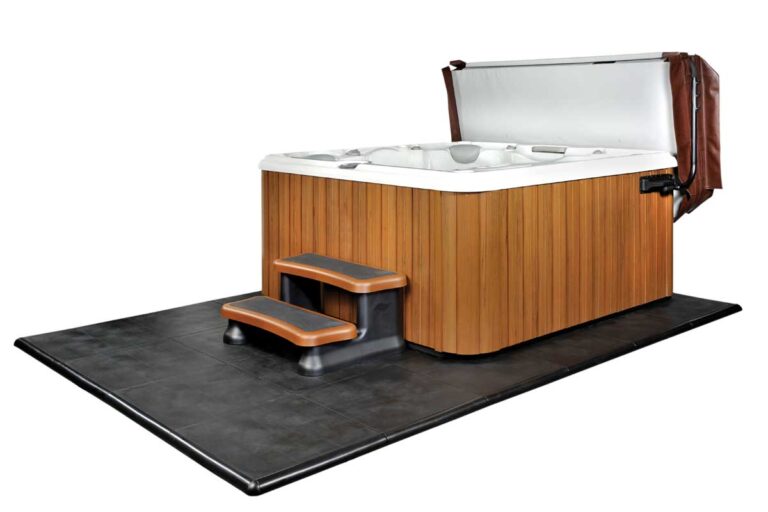
Not every accessory needs to rotate. Labelle says covers, cover lifters, filters and water-care products remain reliable sellers throughout the year, even as the lifestyle merchandise surrounding the spa changes. Covers, in particular, generate repeat purchases because they eventually need to be replaced.
Success isn’t measured only by showroom traffic. Labelle says retailers should evaluate seasonal displays by accessory attachment rates and qualified inquiries, not just foot traffic.