From Overview to Action
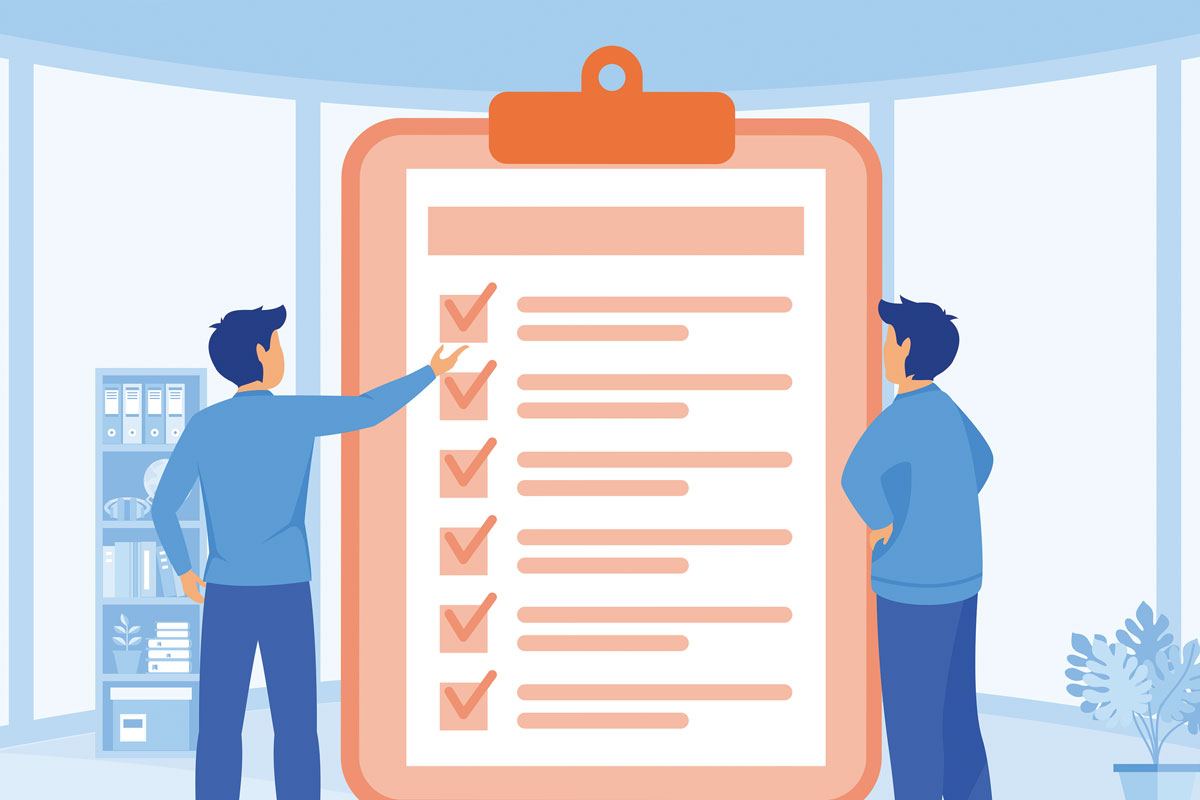
How responsibility sheets enhance team efficiency
In the ever-evolving job market, how businesses define roles and expectations is crucial for attracting the right talent. A key element involves distinguishing between job descriptions and responsibility sheets, two tools that, when used together, can help businesses and employees work better.
Heather Theurer, the former vice president of Oregon Hot Tub who now works as a business consultant, says a job description should be an overview of the position while a responsibility sheet should go into detail about the role, providing some accountability for employees as they perform their jobs.
“The accountability side breaks down those specific tasks,” Theurer says. “[Responsibility sheets are] becoming the trend because it’s hard to get down to the minute details in a job description.”
Theurer says Oregon Hot Tub, with nine locations across Oregon, spent the last decade using responsibility sheets to help employees understand daily tasks, ensuring success and efficiency. She adds that knowing their specific responsibilities reduces the need for constant supervision and makes transitions smoother when team changes occur.
For Maggie Wood, owner of Hansen’s Pool & Spa in Kenosha, Wisconsin, the two also go hand-in-hand.
“Creating a clear responsibility and tasks list for all your employees is incredibly important,” Wood says. “It’s something I’ve had to dedicate much time to as we’ve gotten busier to ensure my team understands clearly what the expectations are.”
For businesses experiencing growth, like Wood’s, these tools are essential.
“Your employees cannot read your mind nor do they likely come with the same experience as yourself,” she says. “Listing out everything and explaining it with a standard operating procedure gives your employees the ability to succeed without having to tap into your brain every minute of the day.”
Theurer notes responsibility sheets are valuable when several people share similar roles because they prevent overlap and guide who should cover duties when someone is unavailable. This was particularly useful in her experience with multiple service coordinators at Oregon Hot Tub, where job descriptions were the same but tasks were distributed based on individual strengths and business needs.
Additionally, responsibility sheets or task lists help growing businesses with scaling. Theurer explains that as the needs of a business grow and the task lists get longer, it helps a company identify when a list has become too long for one person so it can create new positions.
“You’re able to more quickly identify shifts and move as your employees grow and progress and identify where you can put those tasks within your company,” she says.
When hiring new employees, Theurer notes that some positions require tasks to be listed in their job postings. For example, sales jobs can often be self-explanatory with the goals and targets usually discussed during onboarding, but service and technical jobs may need to be more specific.
When interviewing someone, Theurer says sticking to an overview of the position and what life inside the company is like is usually more valuable and less likely to overwhelm the candidate, while more detailed task lists are helpful when employees are settling into their day-to-day roles.
As the spa retail industry grows, the use of job descriptions combined with detailed responsibility sheets will likely become a standard practice. This dual approach not only enhances employee understanding and satisfaction but also drives efficiency and effectiveness across the business. It helps spa retailers ensure their teams are not only aware of their tasks but are engaged with their work in a meaningful way, driving the business toward its goals with clarity and purpose.
“Responsibility is important to [communicate] so there is a main goal your employees are working towards with you,” Wood says. “Daily, weekly and monthly tasks help drive us towards our goals as a team.”