Monetize Your Customer List
Practical ways to use communication to drive service, repairs and upgrades
You already have one of the most valuable marketing assets in your business — and there’s a good chance you’re not using it.
For many spa retailers, thousands of customer emails sit idle in spreadsheets or CRM systems. But those contacts represent more than past sales; they’re future revenue.
“When you’re trying to sell something, the easiest people to sell to are people who you’ve already sold to and who know you, like you and trust you,” says Ben Poggemiller, co-owner of Urban Life Pools & Hot Tubs in Manitoba, Canada.
Selling to existing customers also reduces marketing costs and increases margins, since retailers can focus on higher-margin products like chemicals and accessories instead of relying on discounts to attract new buyers.
That approach has influenced Poggemiller’s marketing style. Instead of constantly chasing new leads, he stays in front of existing customers and turns that relationship into ongoing sales.
Start with consistent communication
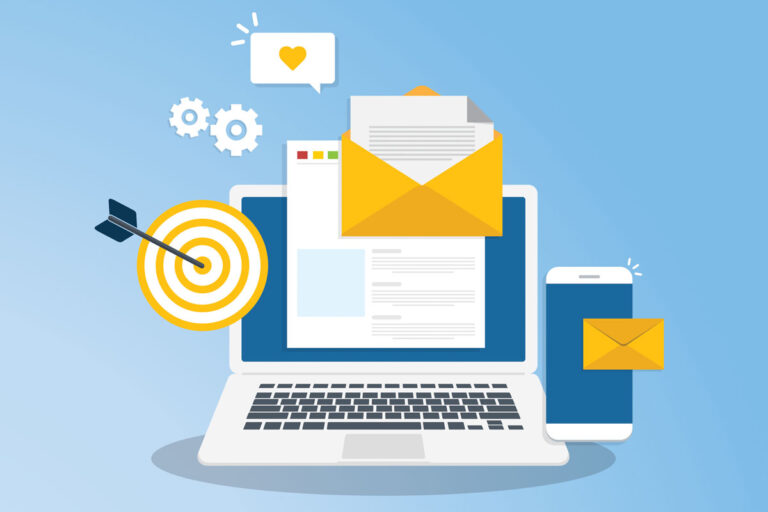
For Poggemiller, the simplest way to monetize his customer database is through a consistent newsletter.
He sends a monthly email featuring educational content, practical tips, updates about the business and targeted product offers. His goal is to entertain, educate and present offers without overwhelming customers.
And what matters most isn’t how often you send emails — it’s how relevant they are.
“People don’t want to buy things just to buy more things,” Poggemiller says. “They want to make their life easier or solve a problem.”
In practice, that might mean addressing seasonal water issues, like high pH or alkalinity swings, or offering timely solutions tied to weather or usage patterns.
Because the audience already knows the business, they’re more likely to open, read and act on those emails.
“Whenever I put something out there, we often see a spike in sales of that particular offer or product,” he says.
The sale is just the beginning
Too often, retailers treat the transaction as the finish line when it’s really the beginning of the relationship.
Radostina Stoycheva, director of performance marketing at Compass Digital, says customer lifetime value in the spa industry is significant and often underused.
“You keep your hot tub for 20 years,” she says. “It should be ingrained in their brain as they come back to you for anything they need.”
That’s where postsale communication comes in.
Stoycheva recommends setting up automated email sequences tied to key milestones in the customer journey. As customers move through stages in a CRM — such as “sale pending,” “delivery in progress” and “delivered” — they receive targeted emails welcoming them, checking in on their experience and offering relevant support.
That kind of follow-up keeps the retailer top of mind and reinforces trust.
Segmentation drives results
One major missed opportunity is failing to segment the customer list.
“Sending every email to everybody is definitely not where the future is going,” Stoycheva says.
Instead, retailers should group customers based on purchase history and behavior — hot tub owners, pool customers, sauna buyers — and tailor messaging accordingly.
Even relatively small segments can deliver strong results. Stoycheva says segments of 200 to 300 people can see engagement rates of around 15% if the message matches their purchase.
By contrast, broad, one-size-fits-all campaigns tend to fall flat.
“It’s the difference between a 1% open rate and a 30% open rate,” she says.
Technology can help streamline this process. Point-of-sale systems and CRMs can identify customer types based on purchase value, track browsing behavior and trigger targeted campaigns. For example, customers browsing spa covers online can automatically receive follow-up promotions for those products.
Automation drives recurring revenue
Retailers who invest in automation often see measurable returns.
“We typically see a 20%-30% increase in service revenue within the first six months of an automated drip campaign,” Stoycheva says. “More importantly, businesses that engage their databases usually see a referral rate jump nearly 15%.”
Automation also makes it easier to send timely, relevant messages like service reminders, seasonal maintenance tips or product replacement prompts.
“You’ve moved from an annoying advertiser to an essential assistant,” Stoycheva says.
Even simple personalization can make a difference. Using a customer’s name or tailoring subject lines to their needs — like “Time for a chemical refresh?” — can dramatically improve open rates.
Frequency still matters
Consistency is essential, but more isn’t always better.
Stoycheva recommends emailing customers two to four times per month, depending on the segment and content. The focus should be on providing value, not just pushing promotions.
“You’ve got to give them something to sink their teeth into,” she says.
That could include:
- Water care tips
- Seasonal maintenance reminders
- Product education
- Relevant upsell opportunities
Retailers can also use customer data to anticipate needs. A hot tub buyer might be a candidate for a swim spa down the line, while a sauna customer could be interested in cold plunge products.
Capturing that information in a CRM makes it easier to market more effectively over time.
The cost of doing nothing
The biggest mistake retailers make with their customer lists is simple: They don’t use them.
“It’s really one of the most low-effort, high-value things you can do in the business,” Poggemiller says.
Other common missteps include sending the same generic message to every customer, failing to segment lists or not collecting enough customer data to personalize outreach.
Email marketing is relatively low cost and can deliver strong returns. Unlike paid advertising, the audience is already built and interested.
“You already have the contact information,” Poggemiller says. “You don’t have to run extensive ads to reach them. You can just send them something every month or every couple of weeks.”
That ongoing communication also ensures customers don’t forget where they made their original purchase.
“You spent $15,000 or $18,000 at a place, and you can’t even remember the name of it,” Poggemiller says. “I don’t ever want our customers to forget who we are.”
For retailers, even a small, consistent effort can lead to stronger relationships, more repeat business and better long-term value from the customers they already have.
5 Customer List Mistakes Retailers Still Make
1. Not emailing customers at all
2. Sending the same message to everyone
3. Not segmenting by product or behavior
4. Only sending sales emails (no value)
5. Inconsistent communication