Cold Tubs: Hype Cycle or Staying Power?
The initial surge has cooled, but retailers are still working to turn curiosity into consistent sales
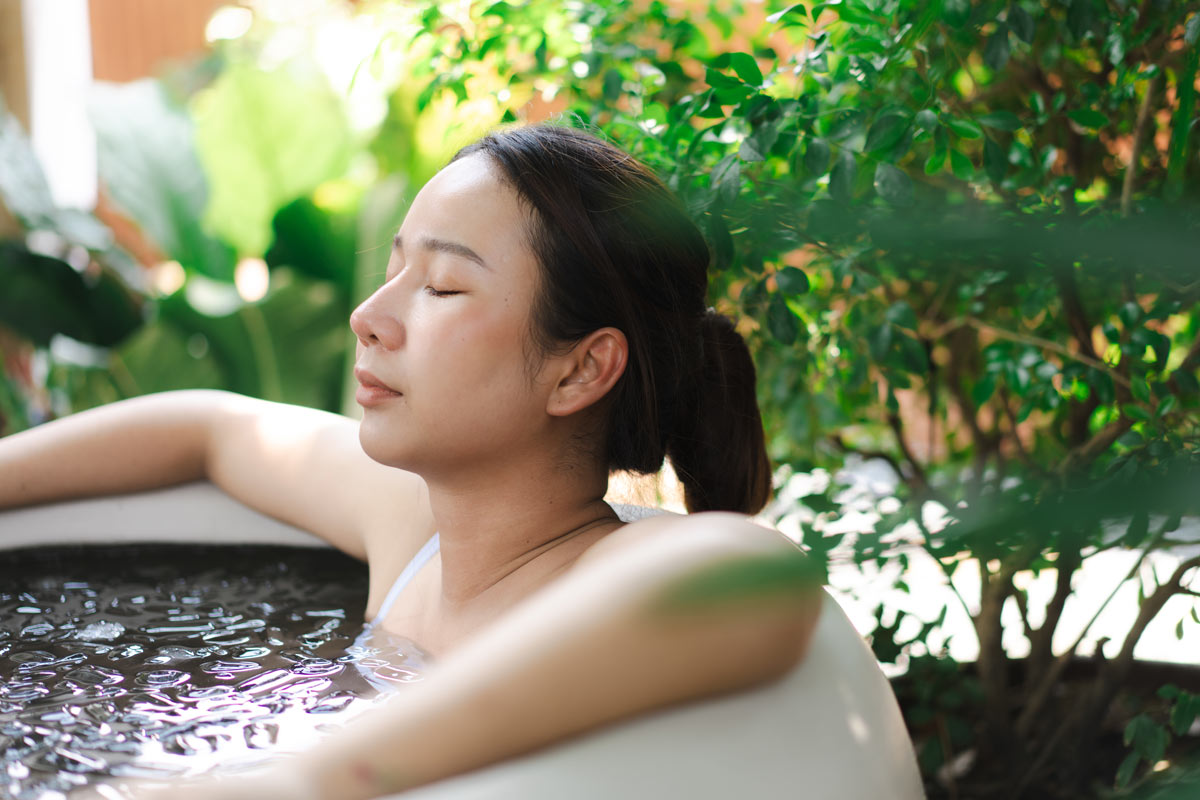
Cold plunging in lakes and oceans has long appealed to athletes and wellness enthusiasts, but those experiences aren’t always accessible or practical. When cold tubs for the home were introduced, they sparked a new category, with all the celebrity and influencer hype, and sales surged. “But that shotgun boom is done,” says Blake Mitchell, sales manager for Hot Tub & Sauna Shop in St. George, Utah. However, interest in the category persists, driven by its health and wellness benefits. “We’re intentional about continuing that awareness,” Mitchell says.
Turning that interest into sales is retailers’ ongoing challenge. The category hasn’t disappeared, but it has shifted. Now, retailers are working to convert curiosity into real, sustained demand.
What retailers are seeing now
Customers are price-sensitive, says Sky Matula, president of The Hot Tub Store, with six locations in Northern California. “There’s interest in the category, but less interest in the category over $5,000,” he says. “The majority of the products available in the industry are priced over that.”
That gap between interest and purchase is one of the category’s biggest hurdles.
Beyond price, retailers also report hesitation around health concerns, space requirements and questions about long-term use.
Major brands were slower to enter the market, given the due diligence required to design and engineer a quality product, which they’ve now done, Matula says. In the meantime, retailers were left without a flagship product to sell during the early, peak demand.
David Townley, owner of Townley Pool and Spa in Little Rock, Arkansas, and a newly opened location in Conway, Arkansas, says there is still a fair amount of buzz on social media and influencer sites. “People are very curious about them, and everybody wants to see one and touch it,” he says, noting that sales are still relatively limited, although trending upward.
Townley acknowledges the price point issue but says that when his clients decide they want a cold tub, they want that cold tub (with some creative financing).
Who’s actually buying
Demographics vary by region, age and income. While elite athletes were the core early buyers, today’s customers are more mainstream: wellness enthusiasts, biohackers and longevity seekers. “They’ve been encouraged by the athletes and feel they can get a health benefit without the extreme training regimens and meal plans,” Townley says.
In most markets, the typical buyer is already invested in wellness, often adding a cold plunge to an existing sauna or spa setup rather than purchasing it as a stand-alone product.
Cold plunge buyers tend to be slightly younger than traditional hot tub customers, Matula says, largely due to price. “Hot tubs can skew older, while cold plunge [buyers are] more mid-40s to mid-60s,” he adds.
In his market, however, affordability limits younger buyers. Most customers are in their late 50s and early 60s, often building out a full at-home wellness setup. “It’s their private retreat, their peaceful getaway,” he says.
Why they’re buying
Commitment to wellness is the primary sales driver, Townley says. Offering both short- and long-term advantages, cold plunges are commonly associated with benefits such as improved circulation, increased metabolism, reduced inflammation, migraine recovery and, through the endorphin rush, elevated mood. Enthusiasts report that the energized feeling can last five or six hours.
Retailers say that firsthand experience — and the hourslong sense of clarity that follows — is often what converts curiosity into serious interest.
Matula has noted a recent uptick in podcasts and articles debating the wellness benefits of cold plunging, creating some confusion. A 2023 study published in the scientific journal Biology found that short-term cold-water immersion may improve mood, with participants reporting increased alertness and reduced stress after exposure. However, the back-and-forth in popular media has muddied the message for some consumers. He adds that, personally, “I’ve experienced some really amazing benefits to it.”
How retailers are selling cold plunges
Marketing cold plunges requires more effort than traditional spa products. Retailers agree: If potential customers have heard about cold tubs, they’ve already Googled them, and their social media feeds are an ongoing source of information.
By the time customers walk into the showroom, many have already researched cold plunges online, making the in-store experience less about awareness and more about validation.
Word of mouth may be the most effective “social” channel of all. Mitchell’s demographic in St. George skews older and more cautious, and younger residents are interested but often priced out. He says some older customers hesitate due to concerns about how sudden cold exposure could impact heart health, even as younger people encourage them to try it.
“The generation that can’t buy it understands it,” Mitchell says. “What we could be seeing down the road is a second surge, because the next generation is being more proactive than reactive.”
Education remains critical, but for many customers, it’s less about learning what a cold plunge is and more about understanding whether it’s worth the investment. Those who experience a cold plunge firsthand often become the product’s strongest advocates.
Matula recently hosted his sales team from all six showrooms for a hands-on session with plunge tubs (and their other products), so that knowledge and enthusiasm carry through in every pitch.
Townley has partnered with local gyms that don’t have cold tubs on-site. “We’ve dipped some of their personnel, so they’ve been able to go out and speak about it,” he says.
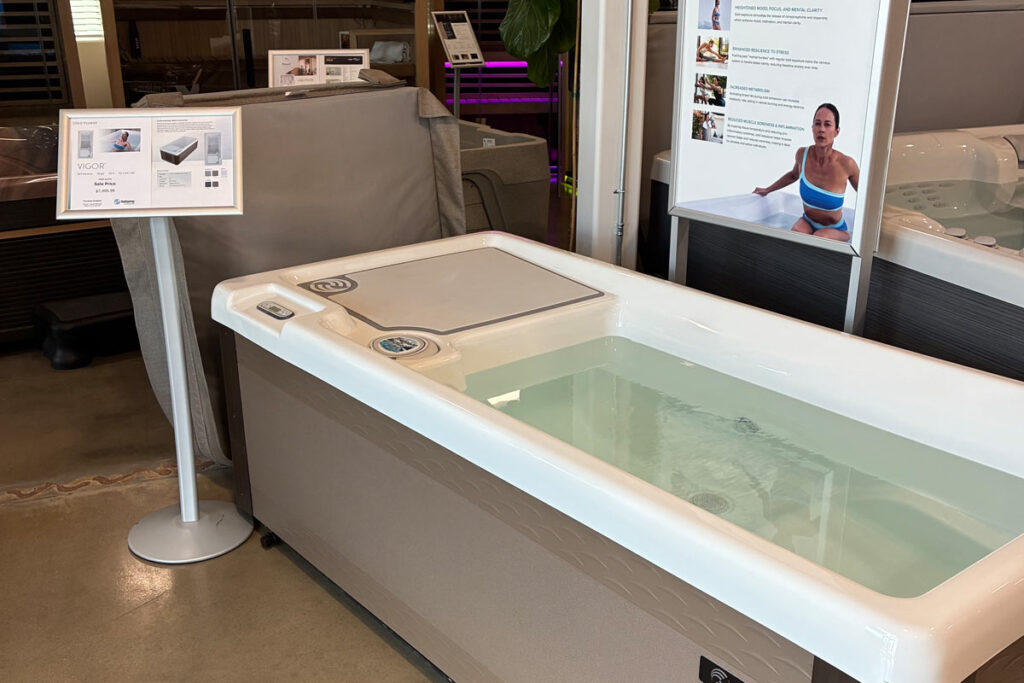
Mitchell has also changed his floor strategy: The cold tub now sits front and center in the St. George showroom, so customers must pass it on the way to hot tubs or saunas. He keeps one filled (to be seen and touched) and one empty (to climb in and size up). He’s also planted the brand in the community’s active outdoor culture, sponsoring marathons and appearing at product sign-ups with running groups.
Where contrast therapy fits in
Cold plunges have been around since Roman times, Townley says, and they’ll remain a fixture in serious self-care routines. What’s changing isn’t the concept — it’s how the product is positioned. Retailers are increasingly moving away from selling cold plunges as stand-alone purchases and instead presenting them as part of a broader wellness system.
“What we’re all learning, and what experts are finding, is the benefit of temperature contrast therapy — [alternating] hot and cold,” Matula says.
In many cases, that shift is making the category easier to sell. Customers who may hesitate to invest in a cold plunge on its own are more receptive when it’s framed as part of a hot-and-cold routine tied to recovery, performance and long-term wellness.
The hype may have cooled, but for retailers who can reposition cold plunges within that larger experience, the category still has room to grow.
From Trend to Product Line
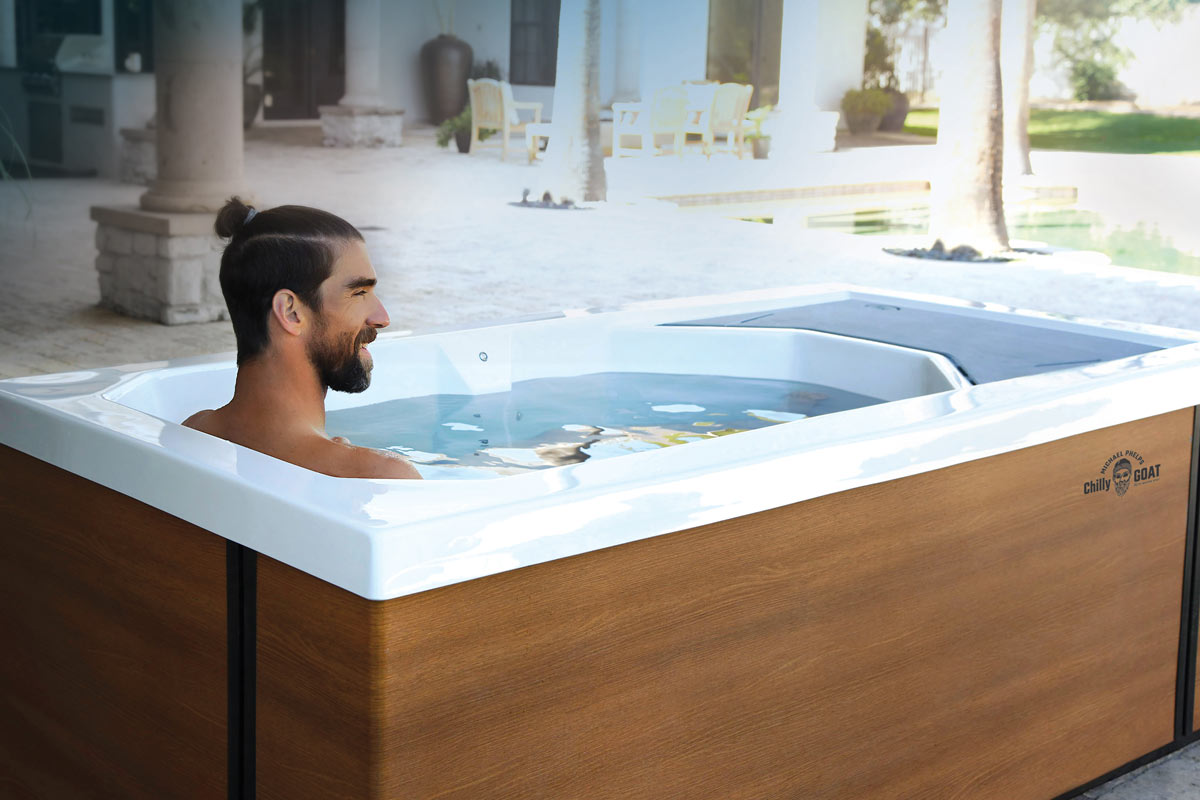
Major spa brands have expanded their product lines to include cold plunge tubs, offered as stand-alone units or as part of contrast therapy systems.
Caldera Spas
Emerge Cold Plunge
calderaspas.com
Hot Spring Spas
Vigor Cold Plunge
hotspring.com
Jacuzzi
Kodiak Cold Plunge
jacuzzi.com
MAAX Spas
MAAX Chiller Cold Plunge Tub
maaxspas.com
MasterSpas
Michael Phelps Chilly GOAT Cold Tub
masterspas.com
Passion Spas
Passion Ice Baths
passionicebaths.com
Sundance Spas
Kodiak Cold Plunge
sundancespas.com