Airframe Aquatics: The Cover Conversation
Airframe Aquatics rethinks how spa covers are built, sold, serviced and replaced
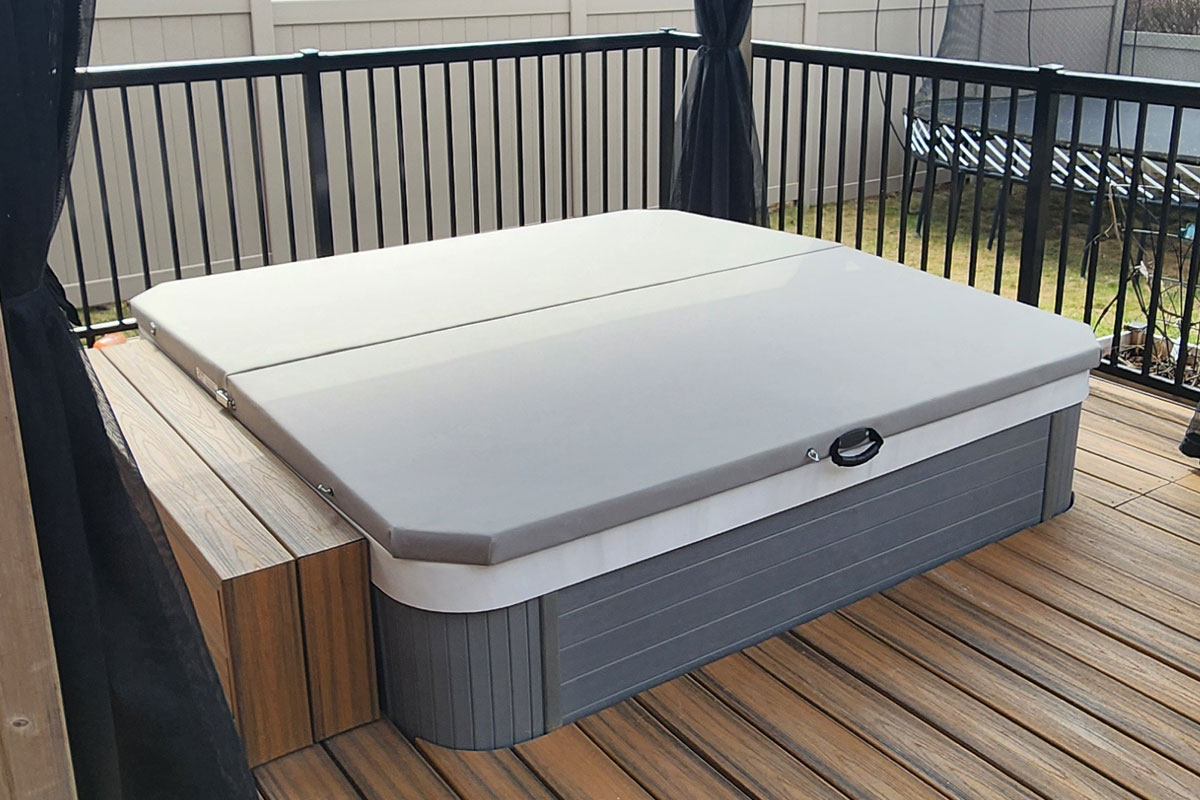
Covers often fade into the background of customers’ minds, until they start to fail.
Over time, covers become heavy, waterlogged and difficult to handle, requiring them to be replaced and discarded. Then the cycle starts again.
Airframe Aquatics believes that cycle deserves a closer look.
“I thought, ‘Why don’t we build something that’s going to be sustainable, that we don’t throw away anymore?’ ” says E. Jess Tudor, Airframe founder.
The company has spent years refining an alternative to traditional foam-core spa covers, focusing on longevity, repairability and environmental responsibility. The Airframe hot tub cover is a patented multi-chamber aluminum frame design that relies on the physics of thermal energy transfer to insulate, much like dual or triple pane windows.
Airframe’s argument is simple: Many spa owners have accepted frequent cover replacement as a normal part of ownership when it doesn’t necessarily have to be.
Solving a common complaint
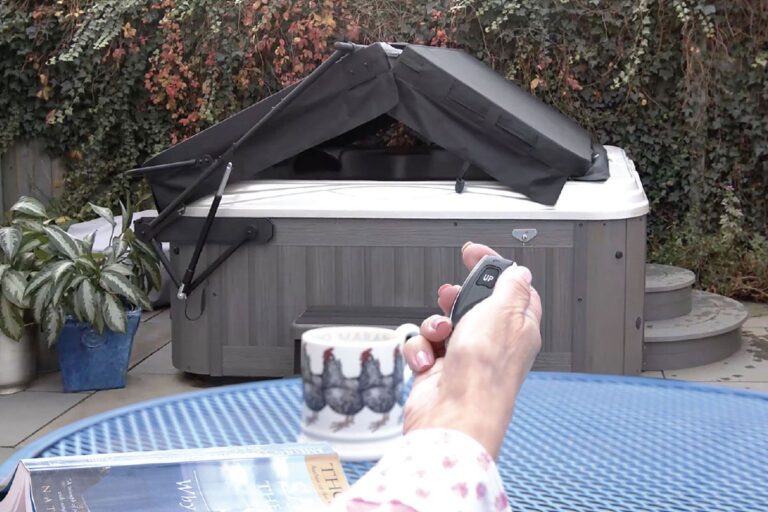
Tudor is no stranger to spa accessories. Decades ago, after recognizing how cumbersome spa covers could be for consumers, he developed and patented one of the industry’s early spa cover lifters, COVER-UP! The lever-assisted design helped establish his career as a product designer and manufacturer.
One of the biggest frustrations retailers hear from customers is that replacement covers often become necessary sooner than expected. Donovan Shanahan, vice president of Airframe Aquatics, says many dealers are familiar with the call: “Hey, I just replaced this thing two or three years ago. I have to replace it again?”
Airframe has designed a cover for extended service life rather than regular replacement. The company uses a modular construction that allows damaged components to be repaired or replaced rather than requiring an entirely new cover.
“It’s totally repairable,” Shanahan says. “That drives the cost of ownership down because you don’t have to replace it.”
The cover conversation: traditional vs. airframe
|
Traditional Cover |
Airframe Cover |
|---|---|
|
Foam-core construction |
Aluminum frame construction |
|
Can become waterlogged |
Designed to remain lightweight |
|
Often replaced when damaged |
Repairable components |
|
Limited refurbishment options |
Refinish and repair options |
|
Disposal at end of life |
Designed for longer service life |
|
Standard color selections |
100+ color and pattern options |
Designed to Last
Environmental responsibility is central to the company’s message.
Tudor says they wanted to create a cover that could deliver energy efficiency without contributing to the cycle of frequent replacement and disposal.
Airframe says longevity is its most important sustainability benefit. According to Shanahan, the covers are designed to remain in service for years beyond the lifespan many consumers associate with traditional covers, with many original Airframe covers still in service after more than 12 years.
Airframe’s design replaces the traditional EPS foam core with multiple air chambers amid radiant barriers using gas permeable outdoor fabrics. The recyclable and biodegradable materials used throughout the cover conform to applicable ASTM material standards and were selected with durability in mind.
“We simply want spa owners to have a choice,” Shanahan says. “For years, the industry has just been given the traditional foam and PVC option.”
Shanahan says retailers can position the cover around durability, ownership costs and environmental responsibility rather than treating those as separate conversations.
More than an environmental story
While sustainability is central to Airframe’s message, Shanahan says conversations with dealers and consumers often expand to material selection, durability and long-term ownership costs.
Airframe built the cover around five priorities: wellness-focused material selection, lightweight durability, energy efficiency, sustainable longevity and aesthetic appeal.
Tudor believes consumers are paying closer attention to the materials used in products around the home, including products used in outdoor living spaces.
A growing number of states have restricted or banned expanded polystyrene in certain food-service applications because of environmental concerns, although those regulations address a different use than spa covers. Tudor says that broader discussion reflects growing consumer awareness of material choices and reinforces Airframe’s decision to pursue an alternative design.
Lightweight handling and durability are features Shanahan says resonate most with consumers. Unlike conventional covers that can become waterlogged and heavier over time, Airframe’s design is intended to maintain its light weight and handling characteristics throughout its lifespan.
Airframe says the sealed air chambers are designed to maintain insulating performance over time while avoiding the water absorption that can shorten the life of traditional foam-core covers.
Beyond performance, the company also emphasizes aesthetics, offering over 100 acrylic fabric colors and patterns that allow consumers to coordinate the cover with surrounding outdoor spaces.
Airframe can also accommodate custom shapes, modular swim spa panels and other specialty applications up to 19 feet long.
Shanahan believes swim spas represent one of the strongest opportunities because owners have made a larger investment and often struggle with the size and weight of traditional covers. He says Airframe’s lighter design and repairable construction can make the value proposition easier to justify.
5 Reasons Airframe Thinks It’s Different
1. Material Selection: Alternative materials reduce reliance on traditional EPS foam-core and PVC construction.
2. Lightweight Durability: Air-filled aluminum chambers don’t absorb water like foam cores, helping the cover maintain its light weight over time.
3. Energy Efficiency: Sealed air chambers inside the aluminum frame provide insulation without relying on foam that can lose performance as it absorbs moisture.
4. Longevity: Modular construction allows damaged components to be repaired instead of replacing the entire cover.
5. Aesthetic Appeal: Available in 100-plus fabric colors and patterns, plus custom options.
A retailer opportunity
For retailers, Airframe sees potential beyond simply selling a cover.
Because individual components can be replaced, the company envisions a service model that allows trained dealers to perform repairs, fabric replacement and refurbishments for customers. Airframe plans to support dealers with training and regional service capabilities as the business grows.
Shanahan says Airframe gives retailers opportunities to differentiate themselves through customization options, upgrades and service offerings that are not typically available with traditional replacement covers.
Ultimately, Shanahan says success will depend on helping retailers see the product as another option rather than a replacement for every cover they sell.
“Let us educate you on the benefits and then offer it to your customers,” he says.
Whether retailers emphasize material selection, performance, aesthetics or sustainability, Shanahan says the goal is simply to give consumers another option in a category that has changed little over the years.