Think Inside the Box
Sauna accessories promote bigger-ticket sales
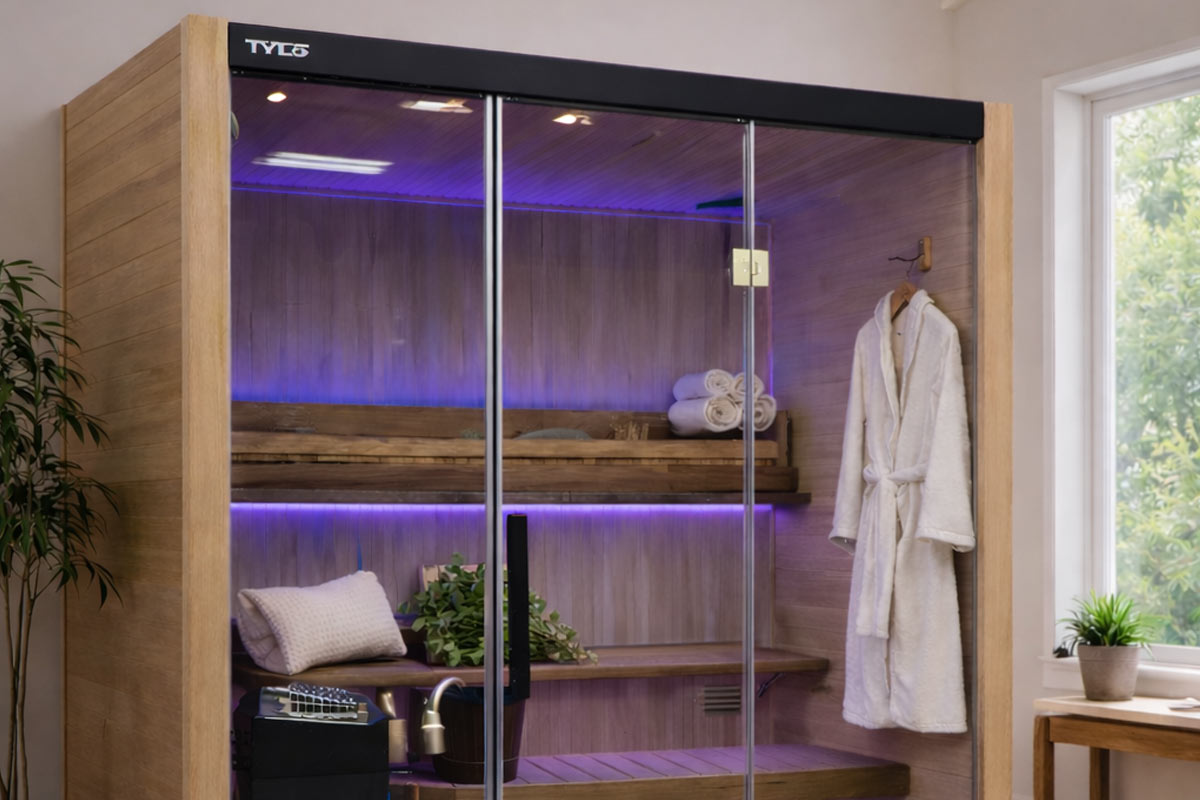
The U.S. sauna market is no longer niche. “In America and the West, sauna is coming out of its infancy and exploding,” says Arash Amini, CEO of Amini’s, with locations in Missouri, Oklahoma and Kansas.
For spa retailers, that growth is opening a largely untapped revenue stream: accessories. As with any successful product category, the sauna itself is only the beginning. Buckets, backrests, aromatherapy oils, premium lighting and sound can deepen the customer experience, elevate satisfaction and add to retailers’ bottom lines.
Without these, “customers may become dissatisfied, not that the sauna doesn’t work, but that no one educated them to maximize their purchase,” says Reilly Renwick, chief marketing officer for State of the Wall, a home design brand.
That disconnect, Renwick notes, is often a merchandising issue, not a product one.
What’s crucial, retailers say, is not treating accessories as afterthoughts. Building an integrated accessory program — presented as part of the sauna experience from the showroom floor through postsale follow-up — turns passive add-ons into active revenue.
What’s selling now
Beyond the essentials (a cold bucket, ladle, durable thermometer/hygrometer), customers often arrive with additional items in mind, and savvy retailers can lead them toward others.
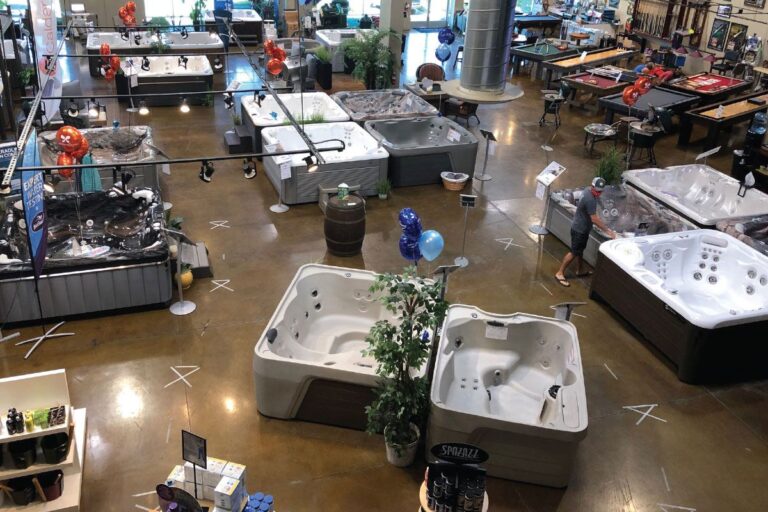
A fully decked-out floor model alongside a nearby accessory display can move them from “nice to have” to “I need that.”
“People really need to understand more than just the product they’re looking at,” Amini says. “Any time we can make it feel like it’s in their home, giving them the sensation of sitting in it, it makes them want to embrace the product and imagine having it. When you accessorize it nicely, it makes a big difference.”
Once customers begin imagining themselves in the sauna, comfort and safety quickly become top priorities.Ergonomic backrests and pillows support the spine, allowing people to sit more comfortably for longer sessions. Nonslip rubber or wooden floor mats are durable safety staples.
Functional accessories tied to usage and health are also strong sellers. “They like the timer because it’s fun, and then they know how long they’ve been in there,” Amini says, noting that traditional sand timers and temperature gauges are popular additions.
Skin brushes, which customers associate with health benefits, are another easy add-on when properly explained.
Felt sauna hats are widely popular in Europe for protecting hair and scalp from high heat, helping prevent overheating and dryness during longer sessions, but haven’t caught on as broadly in the U.S. “We have them, but I wouldn’t say it’s one that we sell the most of,” Amini says.
Sensory elements round out the picture. Aromatherapy is a frequent customer request and an easy entry-level upsell.
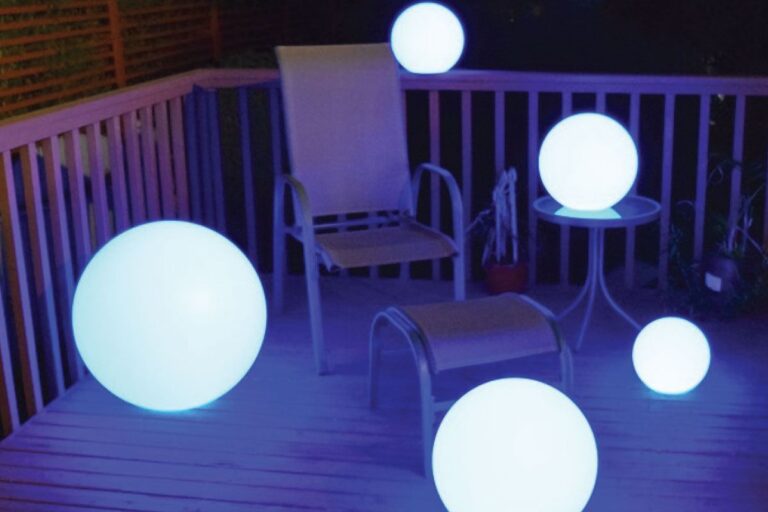
Premium experience enhancers such as lighting and sound systems raise the average ticket. Durable LED strip lighting and wall sconces set the mood and signal quality, while sauna-safe speakers extend the ambience for music lovers.
Many higher-end models have Bluetooth connectivity, allowing users to control heat and timing remotely — a feature Amini says increases sauna use.
Selling the experience
“Personalization” is the watchword in retail today, and sauna accessories fit squarely into that trend. While saunas often feature natural wood finishes, today’s designs range from traditional to modern, and accessories give customers a way to tailor the experience through scent, lighting, music and comfort upgrades like linen towels and resort-style robes.
For retailers, the opportunity lies in presenting those options as part of a cohesive ritual rather than a collection of add-ons.
Renwick recommends tiered bundles over simple discounts — “a starter bundle at a reasonable price, a midrange set with comfort items and a premium option.”
This structure simplifies decision-making and increases the likelihood that customers will purchase accessories at the time of sale rather than postponing or skipping them altogether.
Still, some customers return later once they’ve used the sauna and identified gaps in their experience, Amini says, making follow-up outreach another opportunity to capture accessory sales.
The biggest retailer mistake
The golden rule of retail — don’t let a customer leave without capturing their contact information — applies here.
But when it comes to accessories, the bigger mistake is treating them as secondary.
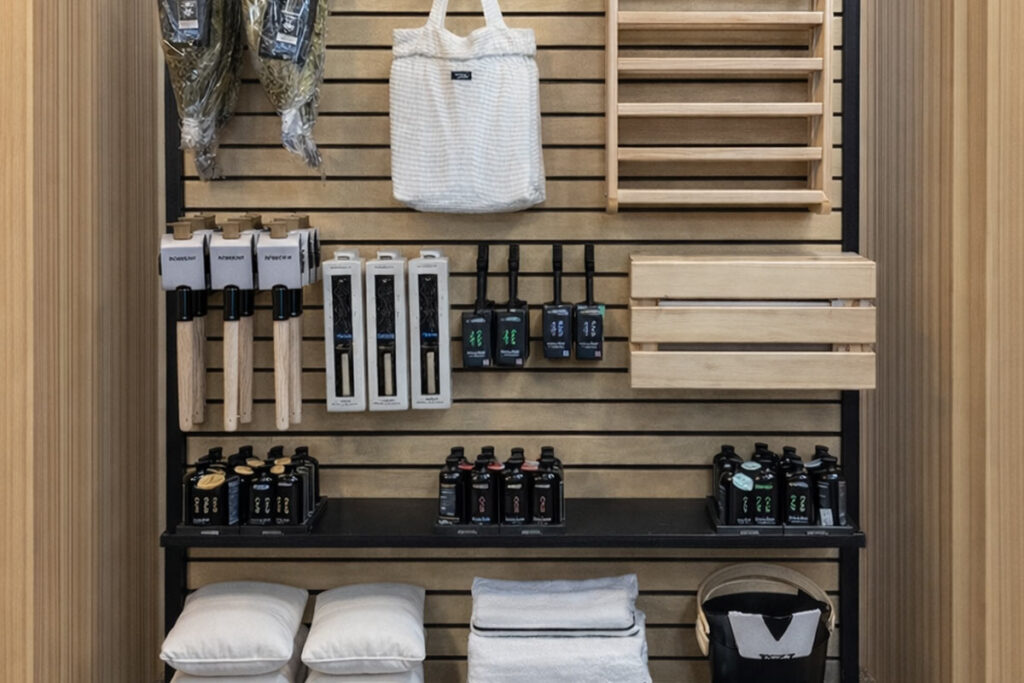
Renwick points to poor merchandising as a common issue: accessories placed on a shelf near checkout, disconnected from the sauna display itself.
“Put the cedar bucket, the eucalyptus and the towel right next to the unit, and suddenly, it’s not just accessories. It’s the ritual the buyer is already imagining,” he says.
Amini agrees that education is equally critical. Retailers must understand not only the accessories but how they fit into the broader sauna experience — from session timing to emerging trends like contrast therapy.
Without that knowledge, he says, retailers risk simply selling “boxes that get hot,” rather than a differentiated wellness product customers can use confidently. Accessories that deepen the experience will increase satisfaction — and loyalty — long after the initial sale.
The core accessory assortment
Every sauna retailer should have these basics on hand:
Bucket and ladle (wood or stainless steel)
Thermometer / hygrometer combo
Sand timer / hourglass
Backrests and headrests
Aromatherapy oils (eucalyptus, birch, lavender)
Sauna-safe lighting options
Floor mats (wood or nonslip rubber)
Nice-to-have upgrades:
Skin brushes
Linen towels and robes
Sauna hats
Bluetooth speaker systems