Tariffs Bring Focus to “Made in the USA” Advertising Claims
Here are the FTC rules you should know
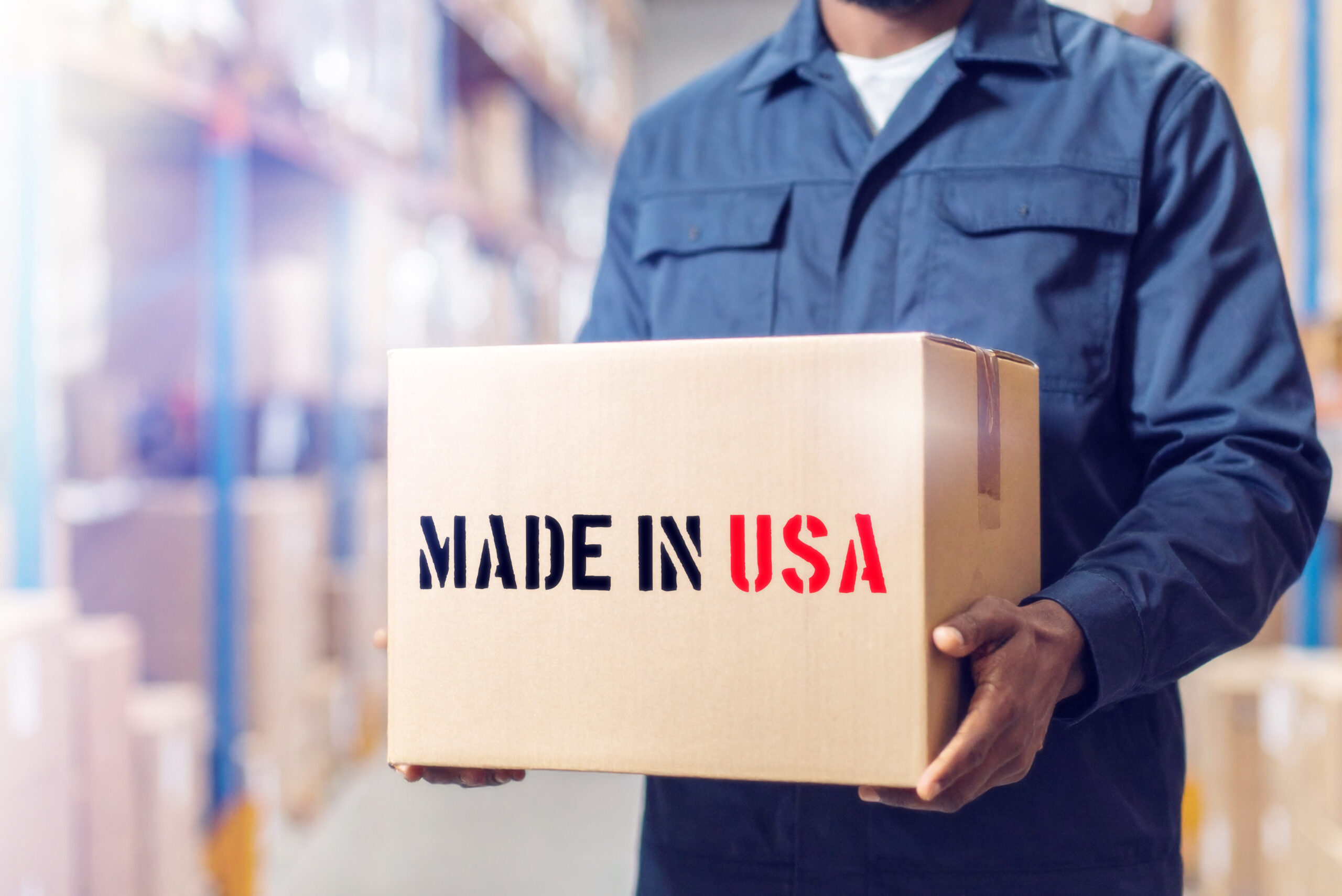
In 2021, the Federal Trade Commission — the agency charged with protecting consumers and promoting fair competition — codified its Made in USA guidelines into the Made in USA Labeling Rule, making them an official, enforceable regulation rather than just guidance. As tariffs have brought a renewed focus on U.S.-based manufacturing, it appears the FTC has also increased enforcement of the Made in USA Rule. FTC Chairman Andrew Ferguson named July “Made in the USA” month.
“It is important to protect Americans from deceptive advertising, and also important because it provides consumers with confidence that when they buy something that says ‘Made in the USA’ they are actually supporting American workers, American manufacturers and American communities,” Ferguson said in a news release.
For a company to claim its products are made in the U.S., it must prove that:
- Final assembly or processing of the product occurs in the U.S.
- All significant processing that goes into the product occurs in the U.S.
- All or virtually all ingredients or components of the product are made and sourced in the U.S.
What does this mean for the hot tub industry? That most companies do not meet the Made in the USA standard.
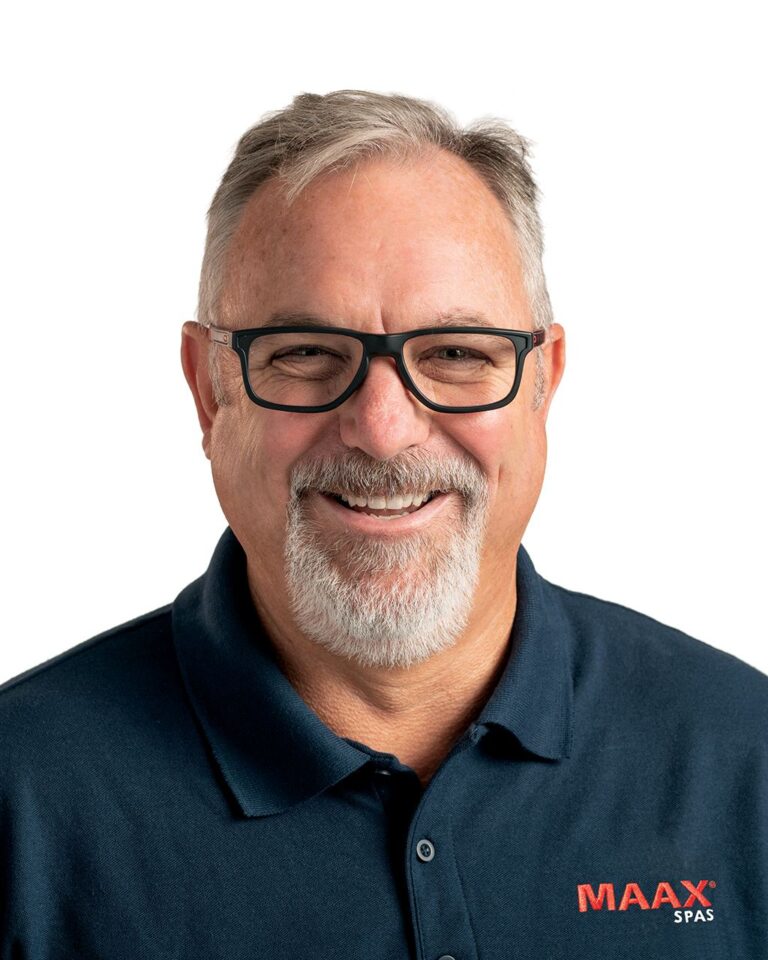
“The supply chain within the pool and spa market is pretty small, so our options are limited,” says John Johnson, president of MAAX Spas, based in Chandler, Arizona.
While many brands may build their hot tubs in the U.S., few can do so with components sourced fully in the country.
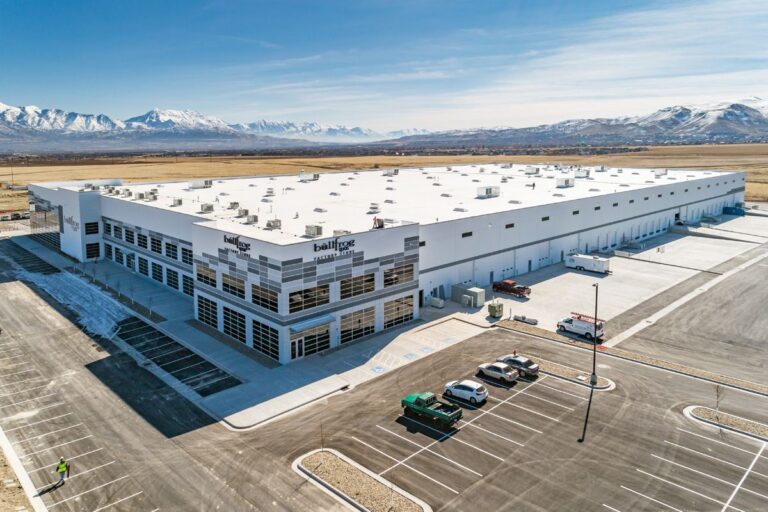
“I don’t know where everyone’s getting their stuff, but if they’re sourcing some of the controls that are ubiquitous in our industry, or some of the plastics or some of the jets, [then] most everyone doesn’t fit the standard,” says Jake Ricks, vice president of marketing and consumer experience at Bullfrog Spas.
If a component is imported, the FTC says it must be negligible to the operation of the product (something like an O-ring) for it not to count against a Made in the USA claim. Anything imported that is substantial to the operation or function of the product (control panels, pumps, plastic) would make a Made in the USA claim out of compliance.
“The standards on this are not exactly clear,” Johnson says. “Some experts will tell you more than 90% [of your materials and components must be sourced from the U.S.], others will tell you 99%+. Unfortunately, anything less than 100% is a bit of a gamble until the regulatory bodies provide clearer definitions.”
These rules don’t just apply to manufacturers. Even retailers must meet the same standard to advertise that the products they sell are made in the U.S. This not only includes outward advertising but also the labels and signs they use in-store.
“If you find value in advertising or selling with a Made in the USA claim, I recommend that dealers understand the FTC standard,” Ricks says. “You can make a qualified claim like ‘assembled in the USA with domestic and imported components,’ or in sales presentations, you can mention that it’s an American brand or a company that manufactures in the USA.”
In an article posted on the National Law Review in July, attorneys from the law firm Hunton Andrews Kurth point out that while enforcement may be up, the FTC is generally willing to work with companies to help get them into compliance.
“Historically, the FTC has been reasonable and collaborative in reaching resolutions on complaints for violations of the Labeling Rule, reserving more aggressive enforcement for repeat, intentional violators,” the firm’s attorneys state.
For hot tub manufacturers, the rule offers little real advantage. With such a limited pool of potential suppliers, U.S.-based companies don’t gain much of a competitive edge.
“It’s just a reality that if you’re going to manufacture in the U.S., you have to source internationally either for cost reasons or because it’s just not available,” Ricks says. But he adds Bullfrog Spas still sees its manufacturing facility in Utah as an advantage, even if it’s not one it can advertise. “We’re proud to be a brand based in the United States and providing jobs in the United States.”