The Science Behind the Soak
How hot tubs are becoming health tools
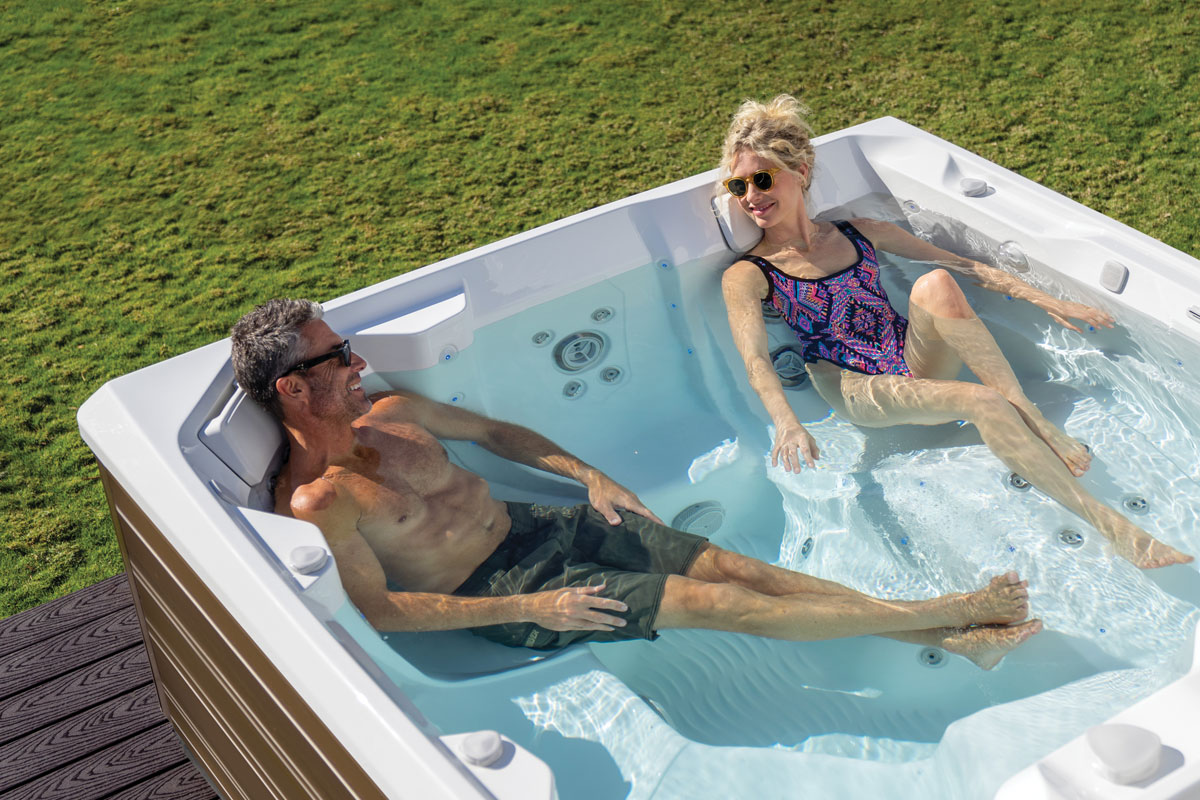
Hot tubs are fun. And fun sells.
But for health-conscious customers, including those with debilitating or chronic health issues, hot tubs and spa-adjacent products also enhance quality of life, serving as key parts of wellness routines.
The wellness industry is experiencing explosive growth driven by younger generations who are more proactive about health and wellness, according to the Global Wellness Institute.
Another GWI initiative on 2025 hydrotherapy trends reports contrast therapy — also known as hot and cold therapy — is becoming mainstream, with customers moving away from remote spa retreats toward readily accessible setups they can use daily.
For retailers, this presents an opportunity to shift from traditional, product-focused sales to wellness advocacy. By understanding hydrotherapy health benefits, retailers can engage customers in personalized wellness conversations that show how products like hot tubs can support their holistic health goals as well as their fun, recreational ones.
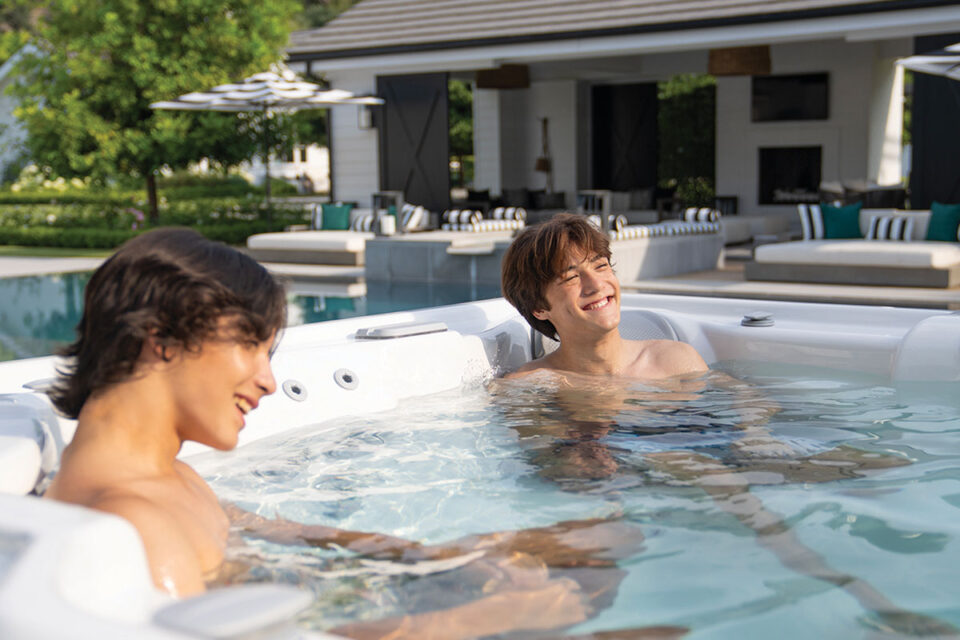
Health benefits of hot tubs, saunas and cold plunges
Ben Peart, regional sales manager for Watkins Wellness and a self-proclaimed wellness nerd, advocates for health and wellness education in the spa industry. Motivated by his rare diagnoses of muscular dystrophy as well as a heart defect, Peart is passionate about understanding how the body maintains balance and responds to stress.
“If you really look at it, your body is this giant stimulus response machine, where, if you give it some sort of stimulus, it’s going to respond to try and balance that entire thing,” Peart explains.
This drive for internal stability — called homeostasis — kicks in when the body is exposed to heat or cold. A related concept, hormesis, refers to the body’s ability to benefit from small doses of stress that would be harmful in excess.
“Cold and heat are huge triggers of hormesis,” Peart says. “Too much heat causes shock, but a little bit of heat therapy has huge benefits. Too much cold causes hypothermia, but a little bit of cold therapy has huge benefits.”
Peart says 104 degrees Fahrenheit is the ideal water temperature to activate a homeostasis response to heat, but there’s not a huge difference between the dry heat of a sauna or the wet heat in a hot tub. However, a body will get hotter quicker in a hot tub than in a sauna because water transfers heat 25 times faster than air. But, a body will get to a higher internal temperature in a sauna because in a hot tub, it’s limited to the water’s temperature.
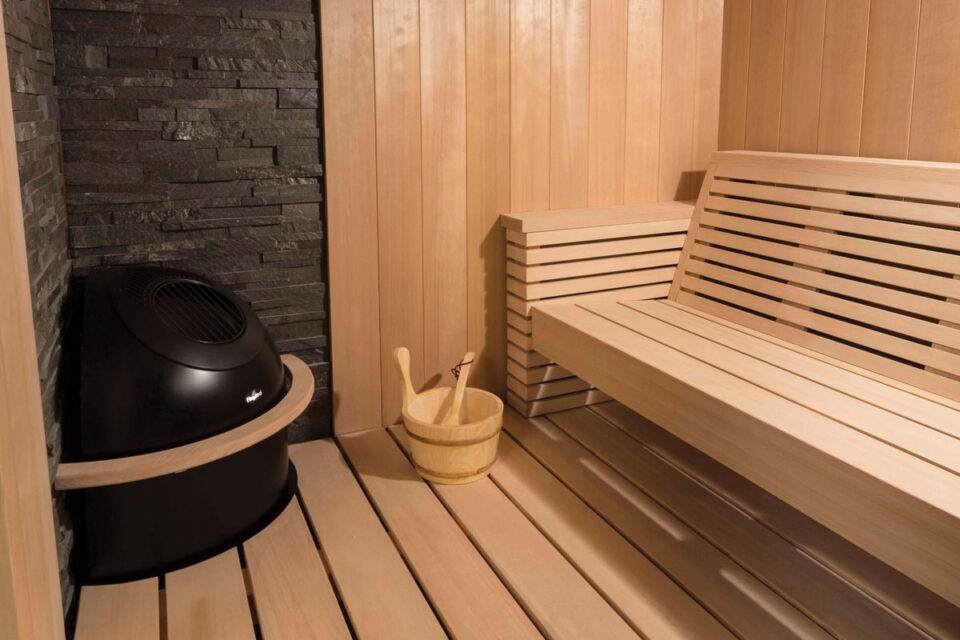
“When we first get into heat, our nerve endings start firing,” Peart explains. “Our blood vessels start to dilate and move blood toward the skin. This is our body’s natural response to prepare to cool off.”
Circulation increases, sweating increases and an immune response is triggered, producing heat shock proteins, or molecular chaperones, which help fix damaged cells in the body.
“They act like triage nurses,” Peart says. “They point to where things are needed most and direct and dictate all the folding [as in, helping proteins take their proper shape] and cellular repair activities. You have a huge increase in repair when you have a high level of heat shock proteins.”
This applies to muscle recovery, immune health, heart health, neurodegeneration and more. At cool down, stress hormones subside, and immune cells and brain chemicals remain at higher levels for several hours.
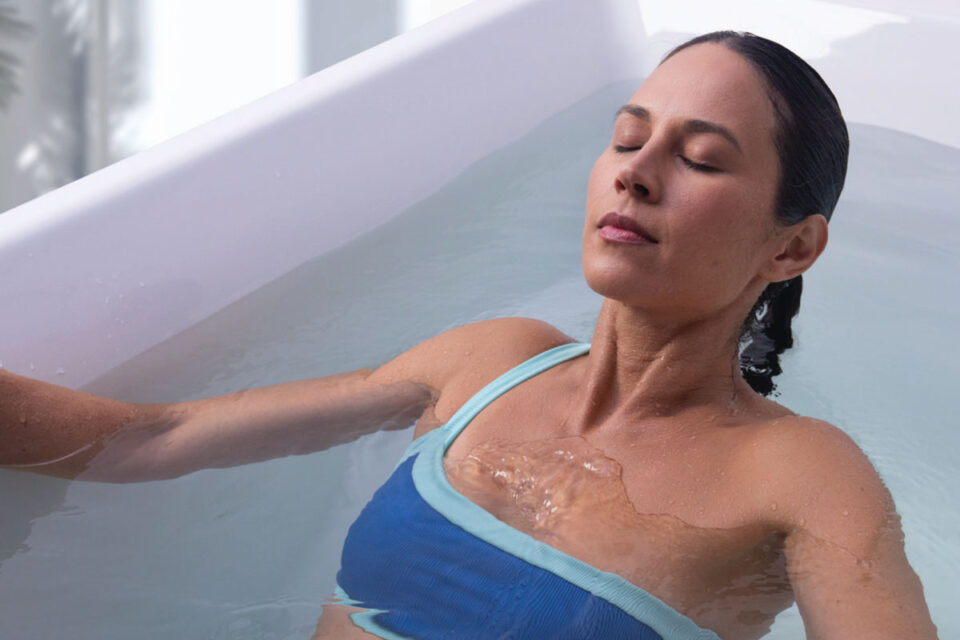
When a body is exposed to cold, heart rate and breathing increase, circulation is restricted and inflammation and swelling responses are slowed. Slower nerve signaling reduces pain signals, hormone production is increased and immune responses are activated, triggering cold shock proteins. These proteins also act like chaperones, but their focus is on protecting the brain. When the body has cooled to a certain point, it activates a response called nonshivering thermogenesis.
“Your body is going to go, ‘OK, none of this is working. It’s time to turn on the furnace,’ ” Peart explains.
Nonshivering thermogenesis means that, without shivering, the body starts creating heat through specialized tissues called brown fat.
“This is your furnace,” Peart says. “When your body says ‘I need quick heat,’ these brown fat cells go into massive activation mode.”
When a body doesn’t have enough brown fat, it adapts by turning white fat into beige fat through a process called browning. Over time, repeated demand for heat can alter the body’s fat composition.
“If/when you start triggering brown fat on a regular basis, your body’s going to prioritize storage of brown fat over white fat,” Peart says. “Your body’s going to say, ‘Let’s store it in a way I can use it as opposed to long-term storage.’ ”
This process helps boost metabolism by making fat stores easier for the body to convert into energy instead of keeping them locked away. In other words, browning can help the body burn calories more efficiently — even after the cold exposure ends.
If your body continues to drop in temperature despite nonshivering thermogenesis, your further stress response will activate shivering as a heat source.
“Your body starts firing every single muscle — I’m talking about full-on shivering,” Peart says. “Once your body starts shivering, you are probably past the point of most wellness benefits and should consider exiting the cold plunge, but people do not need to stay in until they are shivering each time.”
As the body heats back up, brown fat activation remains in high gear for a couple of hours, muscle fatigue is paused and hormones that promote focus and clarity remain high for up to 24 hours in some instances.
With contrast therapy, Peart recommends short intervals with a ratio of 3 to 1: For example, three minutes in heat with one minute in cold, or six minutes in heat with two minutes in cold.
“This is where you’re going to get the benefits of both sides and it just combines and amplifies it,” Peart says. “Your muscles are relaxed and recovered, but your muscle soreness and swelling are reduced, along with several other benefits.”
Heat (hot tub/sauna) Cold (plunge/shower) Increases blood flow Reduces inflammation Triggers heat shock proteins Triggers cold shock proteins Boosts immune system Reduces pain signal transmission Relaxes muscles Activates brown fat Improves cell repair Increases mental clarity
Peart says this is a challenge on the body, but we’re made stronger and more resilient when hormesis is engaged.
“Your body responds to stress with strength in a huge way,” he says. “I am living proof that you can push yourself so much farther than you think you can. Your brain gives up sooner than your body does.”
Research and share responsibly
For retailers who want to learn about the latest health findings, Peart says they’ll need to research and share their knowledge responsibly.
“Don’t watch a five-second reel on Facebook and go, ‘Oh, that’s it. That’s the gospel truth,’ ” Peart says. “Actually dive into more. Make sure you vet your sources.”
Unverified claims, even from well-meaning fellow retailers, need to be vetted, and Peart says resources like the Andrew Huberman podcast or searching for scientifically backed information with tools like Google Scholar can be helpful places to start. Peart also advises against guaranteeing certain outcomes for customers: “Don’t be afraid to say, ‘I don’t really know that. I think that’s something you should check with your doctor.’ ”
It’s more than just a box of water; it’s a better quality of life.”
Paul Derence, Hot Water Productions
Paul Derence, owner of Hot Water Productions in Montrose, Colorado, says he remembers the early days when hot tubs were promoted as a leisure and recreational hobby, and while there still is an element of recreation, he says most customers seem interested in incorporating them into wellness routines.
“I like the emphasis on the conversation to be directed toward the ‘why’ of owning a spa and doing a better job of educating customers on the health benefits,” Derence says. “Not only to help increase sales but to spread the word that it’s more than just a box of water; it’s a better quality of life.”
Derence says a customer experiencing fibromyalgia was told hydrotherapy could bring symptom relief, but she was hesitant to purchase because of her fixed income.
“She would have a very difficult time sleeping [because of her disorder] and in many cases needed assistance just getting out of bed each day,” he recalls.
About three weeks after the install, the customer returned to the showroom in tears, explaining how using the hot tub in the morning and evening had improved her quality of life through better sleep and increased mobility.
“It’s those experiences that are a powerful reminder of the impact our products can have for our customers,” Derence says.
Peart says younger consumers are increasingly research-driven, and retailers who can educate them about the science behind hydrotherapy will be more successful in attracting lifelong customers.
Every time we move down a generations, health and wellness becomes more of a priority and a reason for them to be attached to a product. They make it a proactive part of their life, as a opposed to a reactive part.”
Ben Peart, Watkins Wellness
“Every time we move down a generation, health and wellness becomes more of a priority and a reason for them to be attached to a product,” Peart says. “They make it a proactive part of their life, as opposed to a reactive part.”
Peart points out that the spa industry typically focuses on older generations that have more disposable income, but increasing trends in cold plunge and sauna purchases show millennials and Gen Z are willing to invest.
“They’re definitely focused and willing to invest in tools that help, and that’s where we come in,” Peart says. “I think health and wellness is a huge trend and will only continue. It’s a big driver we need to pay attention to.”
Drawing from his restaurant background, Peart compares spa sales to table service. Instead of chasing the “elusive third turn” of a dinner table, he says, retailers should focus on the “elusive third tub.”
“What about the elusive third tub?” Peart poses. “We talk about how our hot tubs last 15 to 20 years, but there’s no way you’re going to sell someone three hot tubs in their life if you start at age 60.”
Peart suggests retailers start getting customers “in the fold” earlier: “We can have more of a lifelong relationship with these customers and help them with their goals and their wellness journeys in multiple ways.”