The SOP Update
How to keep your procedures relevant, effective and useful

People are drawn to the spa industry for many reasons, but standard operating procedures usually aren’t one of them.
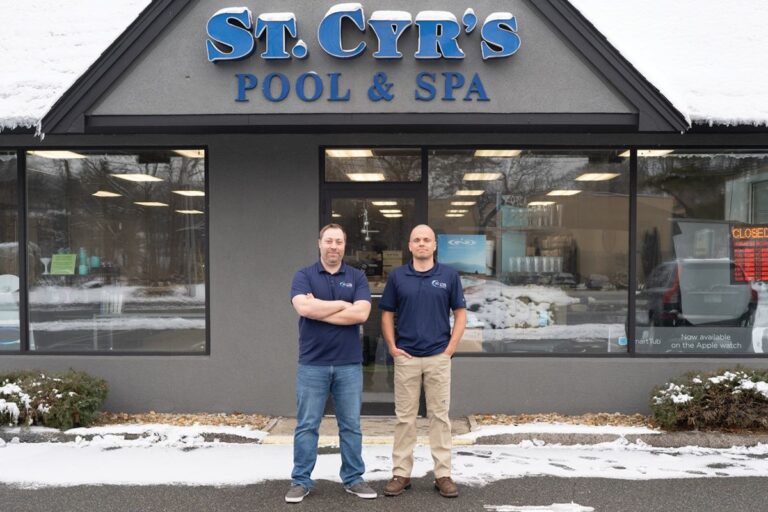
“They’re difficult,” says Brandon Jones, co-owner of St. Cyr Pool & Spa in Middleton, Massachusetts. “It’s tempting to want to put SOPs on the back burner,” especially amid the everyday hustle of running a business.
But SOPs are an essential tool for smooth operations — and long-term success. “SOPs are your playbook,” Jones says. “They’re repeatable processes that tell everybody in the organization what you do, how you do it and when you do it. It creates consistency and ensures that everybody is speaking the same language and delivering the same message to customers.”
SOPs, however, shouldn’t remain static. “They’re a living document, so you’re changing it on the go,” Jones says. Government regulations evolve, manufacturers’ guidelines change, technology upgrades, instruction videos need refreshing and even long-held practices may require refinement based on employee feedback.
Other factors can signal a need for updates. “When we start to see small variations in how tasks are performed, and over time those variations turn into service inconsistencies and inefficiencies, they’re a risk,” says Kara Boone, CEO of Great Atlantic Hot Tubs, Swim Spas & Saunas in Virginia Beach, Virginia.
The challenge is knowing when and how to revise SOPs to keep them aligned with best practices.
When to update SOPs: Schedule or crisis
Regular reviews help catch issues before they become larger problems.
“You should be looking at your SOPs on a regular basis, whatever that interval is,” Jones says. “It may be quarterly, taking a quick look at it, and then annually, when you deep dive into it and just make sure everything is up to snuff.”
Great Atlantic updates its SOP in November and December as it does inventory, quota assignments, staffing plans and revises the employee handbook, Boone says.
Interim updates may be triggered by safety issues, customer complaints or repeated mix-ups. When these occur, Boone evaluates whether this issue was a one-time mistake or something that needs to be added to the training manual.
And if you find yourself repeatedly clarifying instructions? Add it to the manual, Jones says.
Creating an effective process and employee buy-in
Employee involvement in the revision process is critical to successful SOP updates. Gathering feedback throughout the year or polling staff before major revisions ensure their voices are heard. “That’s essential for buy-in,” Boone says. But before the companywide rollout, she introduces the revisions to leadership. “It starts from the top.”
Jones agrees. “As a business owner, you’re not in the day-to-day, and what might sound good to you for an SOP might not make sense in the field or in the store. Involving employees in that actual review process is definitely important.”
That involvement also helps clarify the gray areas. “Nuance is needed in so much of what we do,” says Maggie Wood, owner of Hansen’s Pool & Spa in Kenosha, Wisconsin. “I’m working to find a balance of what needs an SOP and what doesn’t.” Teaching employees that a standard doesn’t always mean a single right way “is a tough juggling act.”
Bringing employees up to speed
Whether your SOPs live in a refreshed notebook, a shared Google Drive or on iPads at employee stations, one goal is universal: Avoid overwhelming employees. SOPs that are too dense or difficult to read can make training harder, Wood says. Short, bite-sized training videos can help, she adds — a strategy also used by Jones, who relies on step-by-step Loom videos to walk employees through software tasks and other processes.
For new employees, training should start with the essentials. Boone begins with core procedures on the first day and then dives into advanced topics for situations that happen occasionally. “We start with the short, high-impact and then feed down into the more nitty-gritty details,” she says.
Updates for existing employees can be introduced in small doses — quick huddles, weekly calls or scheduled refresh sessions. “We have company calls every Friday where we introduce new things, then we’ll send out the updates so they have them as a hard copy,” Boone says.
The payoff for updated SOPs
To be effective, SOPs must be current and usable. When they are, the benefits ripple throughout the business. “Being able to release my time from some of the smaller things allows me to concentrate on other things,” Wood says.
There’s also a personal upside. “I love working with my hands and interacting with customers in their backyard, but the more we grow, the further away from that I get,” Jones says. “Writing a solid SOP allows me to get back to doing what I enjoy most.”