New leaders, fresh ideas and the next chapter for an industry built on relationships
One of my favorite things about putting together our 30 Under 40 issue is seeing just how many ways there are to build a career in this industry.

One of my favorite things about putting together our 30 Under 40 issue is seeing just how many ways there are to build a career in this industry.
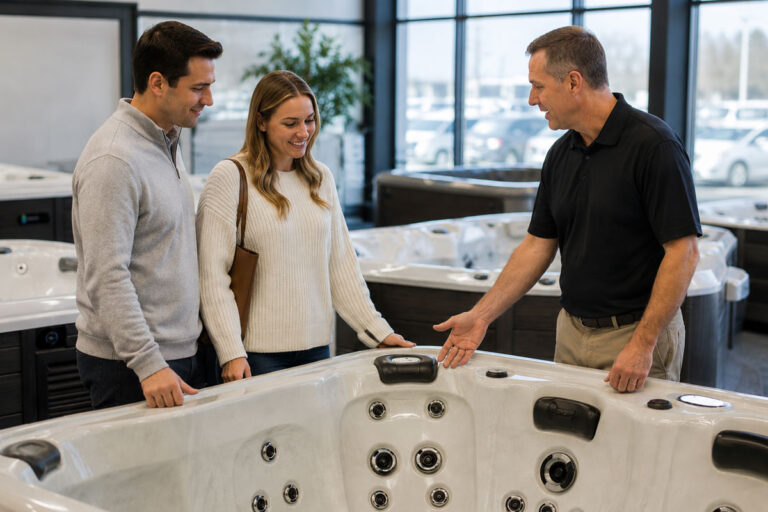
When a customer walks into a showroom, they usually have a vision of what they want and a budget they hope will buy it. The vision is vivid, and the budget is often set before they understand what a spa costs and which features will matter long after delivery day. That is where the upgrade conversation begins.
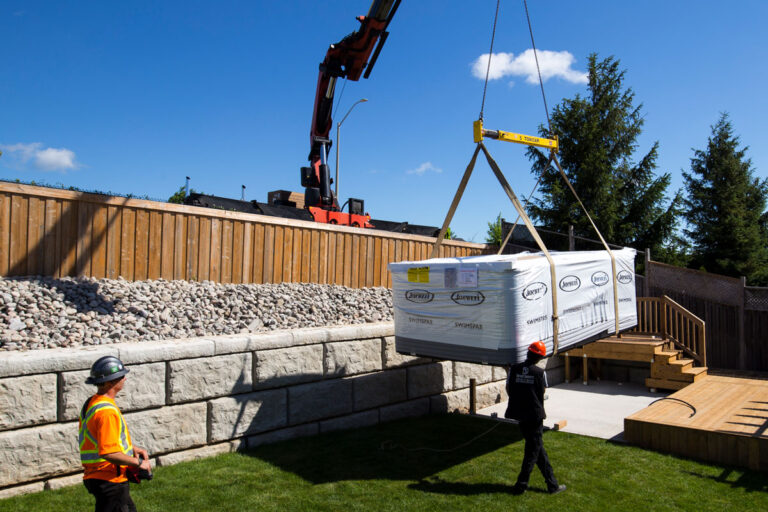
Preparing for a swim spa delivery requires much more than choosing a spot in the backyard. Long before the unit arrives, customers need to address the foundation, electrical service, access, landscaping and delivery logistics. Retailers should be the ones helping them connect those pieces.
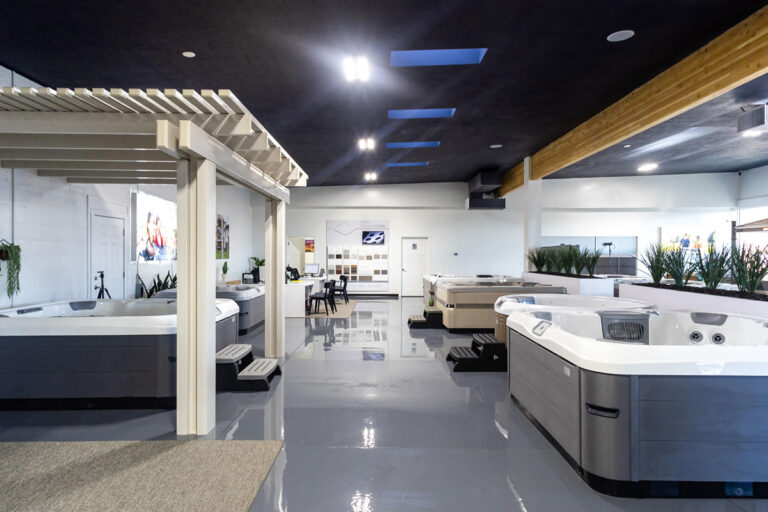
Accessory displays can do more than fill showroom space. When retailers rotate displays throughout the year and merchandise accessories around how customers actually use their spas, they can increase attachment sales while giving repeat shoppers something new to see.
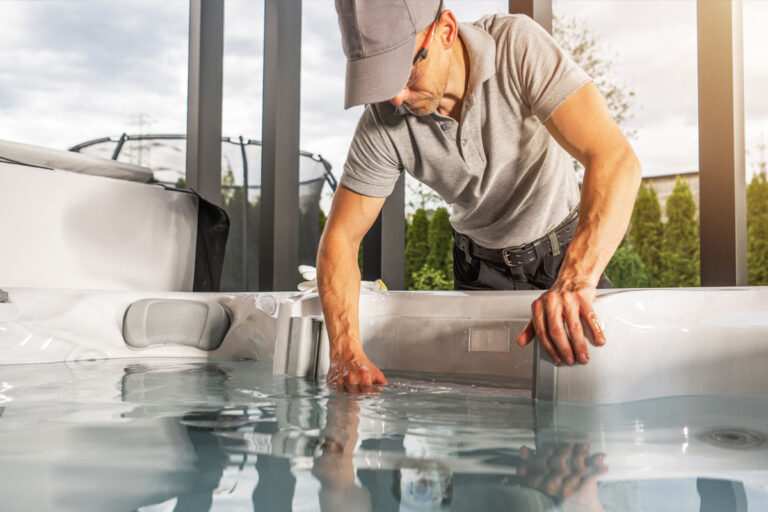
While it’s not exactly rocket science, there’s something of a three-part equation for maintaining good water quality in a hot tub: circulation + filtration + water chemistry.

When I walk into a spa store, I immediately get a vibe about whether I want to stay and shop or turn around and leave.
That vibe is made up of countless elements that hit us at once: lighting, smells, colors, layout and more. Within seconds, we’re deciding not only where to walk, but whether this store feels like it can meet our needs. Good signage and sight lines can help, especially for customers who are new to buying a hot tub and may have no idea where to start.

In Part 1 of this series, we discussed how to evaluate your marketing agency relationship and identify warning signs that may indicate it’s time for a change.
If you’ve reached that conclusion, the next question is obvious: How do you find the right agency partner?

As spa prices climb and consumers spend more time researching purchases, retailers are looking for easy ways to add value beyond the product itself. One option some dealers are introducing is the extended service contract.

In 1957, PDC began as a fiberglass job shop in Williamsport, Pennsylvania. By 1982, the Livingston family’s second generation retooled the business and introduced three PDC spa designs. It has made its own hot tubs ever since, while also building shells, complete spas and private-label products for other brands. That work established PDC’s credibility with industry insiders but often sent its manufacturing reputation further than its name.

SpaRetailer Insiders: What task do you wish you had delegated years earlier?

Today’s shopper isn’t buying a hot tub for jet count alone — they’re investing in outcomes. Here, we take a deeper look at the first two pillars of defining a wellness-first sales approach — how dealers can sell targeted hydrotherapy instead of jet counts, and why simplicity of ownership has become one of the industry’s most overlooked competitive advantages.

The secret to influencing the people we lead isn’t changing them; it’s changing the way we think, speak and communicate as leaders.